Support our educational content for free when you purchase through links on our site. Learn more
10 Best Kids Tablets for Specific Learning Disabilities (2026) 🎯


Finding the perfect tablet for a child with specific learning disabilities can feel like searching for a needle in a digital haystack. But what if we told you that the right device could transform frustration into fun, confusion into confidence? At Kids Tablets™, we’ve tested and explored the top tablets designed to support kids with dyslexia, ADHD, autism spectrum disorder, and more. From adaptive apps that adjust difficulty in real-time to powerful accessibility features like text-to-speech and speech-to-text, these tablets are more than gadgets—they’re learning lifelines.
Did you know that serious educational games on tablets can boost engagement and skill mastery by keeping kids in their “optimal gameplay corridor”? Later in this article, we’ll reveal the top 10 tablets that excel at this and share inspiring real-life stories of children whose learning journeys were revolutionized by the right tech. Ready to discover which tablet could be your child’s new best friend?
Key Takeaways
- Tablets with robust accessibility features like text-to-speech, speech-to-text, and customizable displays are essential for supporting specific learning disabilities.
- Apple iPads (Air and 10th Gen) lead the pack with unmatched app ecosystems and accessibility tools, ideal for dyslexia, ASD, and ADHD.
- Amazon Fire HD Kids tablets offer excellent parental controls and durability, perfect for younger kids or those needing strict screen boundaries.
- Adaptive learning games and serious apps significantly enhance engagement and learning outcomes by tailoring challenges to each child’s pace.
- Parental involvement and customization of tablets maximize educational benefits and help balance screen time with offline activities.
👉 Shop Top Tablets for Learning Disabilities:
- Apple iPads: Amazon | Apple Official Website
- Amazon Fire Kids Tablets: Amazon
- Samsung Galaxy Tabs: Samsung Official Website | Amazon
Table of Contents
- ⚡️ Quick Tips and Facts About Kids Tablets for Learning Disabilities
- 📚 Understanding Learning Disabilities and How Tablets Help
- 🔍 What to Look for in Kids Tablets for Specific Learning Disabilities
- 1️⃣ Top 10 Kids Tablets Tailored for Learning Disabilities
- 🧩 Best Educational Apps and Software for Learning Disabilities
- 🛠️ Customizing Tablets: Accessibility Features and Parental Controls
- 🎯 How to Maximize Learning Outcomes with Tablets
- 💡 Real-Life Stories: Parents and Kids Share Their Tablet Successes
- 🔧 Troubleshooting Common Issues with Kids Tablets
- 📈 Latest Research and Trends in Assistive Technology for Learning Disabilities
- 🛒 Where to Buy and What to Avoid: Trusted Brands and Retailers
- 📧 Stay Updated: Subscribe to Kids Tablets™ Learning Disability Insights
- 🎉 Conclusion: Empowering Kids with the Right Tablet Tools
- 🔗 Recommended Links for Parents and Educators
- ❓ Frequently Asked Questions About Kids Tablets and Learning Disabilities
- 📚 Reference Links and Resources
⚡️ Quick Tips and Facts About Kids Tablets for Learning Disabilities
Hey there, fellow parents, tech enthusiasts, and educators! At Kids Tablets™, we’ve seen firsthand how the right digital tools can be absolute game-changers for children facing learning challenges. Forget the old stereotypes; today’s kids tablets aren’t just for games – they’re powerful assistive technology that can unlock potential and build confidence. Ready for some quick insights? Let’s dive in!
- Personalized Learning Powerhouse: Tablets offer a unique ability to tailor learning experiences to individual needs, a critical advantage for kids with specific learning disabilities (SpLDs). This means content can adapt to their pace and style, making learning less frustrating and more effective.
- Multisensory Engagement: Many children with LDs benefit from multisensory approaches. Tablets excel here, combining visual, auditory, and tactile input to reinforce concepts. Think about how a child with dyslexia can see words highlighted, hear them read aloud, and touch to interact with them simultaneously!
- Accessibility is Key: Modern tablets come packed with built-in accessibility features like text-to-speech, speech-to-text, adjustable font sizes, and screen readers. These aren’t just nice-to-haves; they’re essential tools for leveling the playing field.
- Beyond the Classroom: While schools are increasingly adopting educational tablets, having a device at home allows for consistent practice and exploration in a comfortable, low-pressure environment. It’s about empowering kids to learn on their own terms.
- Not All Tablets Are Equal: Choosing the right tablet for a child with an LD isn’t a one-size-fits-all decision. Factors like operating system, durability, app ecosystem, and specific accessibility features matter immensely. We’ll help you navigate this maze!
- Serious Games, Serious Learning: Did you know that specially designed “serious games” on tablets can significantly boost engagement and performance for children with SpLDs? Research shows these therapeutic games can be highly effective, especially when they include adaptive difficulty.
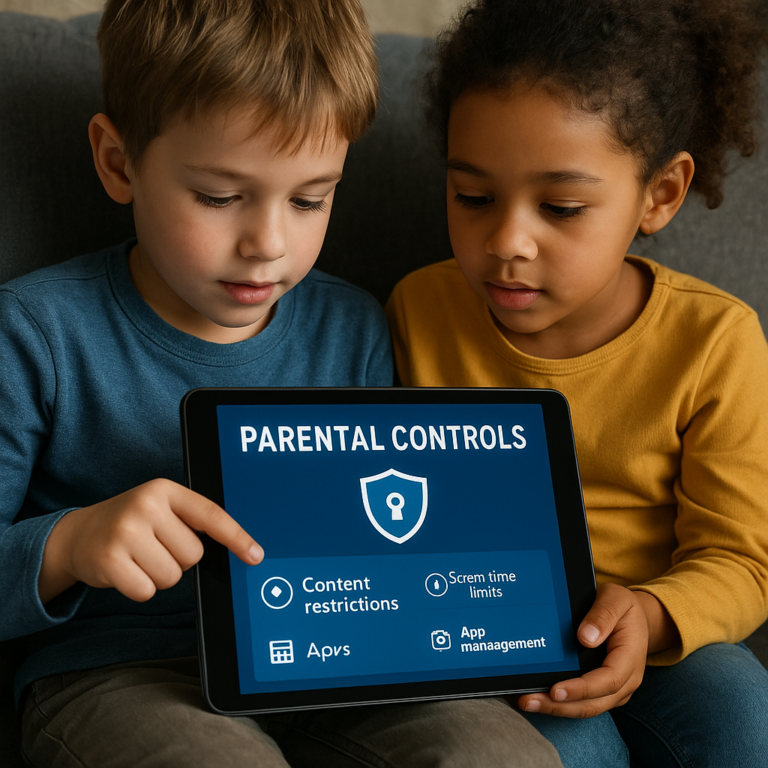
- Parental Controls are Your Best Friend: To ensure a productive and safe learning environment, robust parental controls are non-negotiable. They help manage screen time, filter content, and prevent distractions.
We believe that every child deserves the tools to succeed, and for many, a well-chosen tablet is that tool. Want to learn more about finding the perfect digital companion for your child? Check out our comprehensive guide to Kids Tablets.
📚 Understanding Learning Disabilities and How Tablets Help
Learning disabilities (LDs) are neurological conditions that affect how a person receives, processes, analyzes, or stores information. They’re not about intelligence; they’re about how the brain learns. From dyslexia (reading challenges) to dyscalculia (math difficulties) and ADHD (attention-deficit/hyperactivity disorder), these conditions can make traditional learning methods incredibly frustrating for kids. But here’s where assistive technology like tablets steps in as a true hero!
“Recognizing the history of learning disabilities helps educators and parents better support students’ unique needs,” notes the Learning Disabilities Association of America (LDAA). Indeed, understanding the journey of LD awareness highlights the continuous search for effective support. Historically, children struggled in silence, but thankfully, we’ve moved into an era where technology offers incredible solutions.
So, how exactly do these sleek, interactive devices become such powerful allies?
Bridging the Gap: How Tablets Tackle Learning Challenges
- Multisensory Engagement: Imagine trying to read when letters seem to dance on the page. For a child with dyslexia, this is a daily reality. Tablets can transform this experience. They can read text aloud while highlighting words, provide visual cues, and allow for tactile interaction (tracing letters, dragging words). This multisensory input helps solidify learning pathways that might be weaker in a single sensory modality.
- Personalized and Adaptive Learning: One size rarely fits all, especially in education. Tablets, through specialized apps, can adapt to a child’s pace and learning style. If a child struggles with a concept, the app can offer more practice, present information differently, or slow down. Conversely, if they grasp something quickly, it can move them forward. This adaptive difficulty is crucial for keeping kids in their “optimal gameplay corridor,” as highlighted in a study on Serious Games for Children with Specific Learning Disabilities (SpLD).
- Reduced Distractions and Enhanced Focus: For children with ADHD, maintaining focus can be a monumental task. A tablet, when properly configured with parental controls and specific apps, can create a highly focused learning environment. Apps can minimize visual clutter, offer clear, concise instructions, and provide immediate feedback, keeping attention locked on the task at hand.
- Empowering Independence: “Technology can be a powerful tool for children with learning disabilities, providing personalized support and fostering independence,” states the LDAA. This couldn’t be more true. Tablets allow children to access information, complete tasks, and communicate in ways that might otherwise be challenging. A child who struggles with handwriting can use speech-to-text. A child with auditory processing issues can rely on visual schedules and reminders. This fosters a sense of accomplishment and self-reliance.
- Gamification and Motivation: Let’s be honest, learning can sometimes feel like a chore. But turn it into a game, and suddenly, it’s exciting! Many educational apps leverage gamification – points, levels, rewards, and engaging narratives – to motivate children. The JMIR study found that “Both the educators and the children with SpLD enjoyed playing the games, gave positive feedback, and suggested new ways for improvement,” underscoring the power of engaging, game-based learning.
From our Kids Tablets™ app developers’ perspective, the beauty of tablets lies in their versatility. We can design apps that are not only fun but also scientifically backed to target specific cognitive skills, making learning an adventure rather than a struggle. It’s about meeting kids where they are and giving them the tools to soar!
🔍 What to Look for in Kids Tablets for Specific Learning Disabilities
Choosing a tablet for a child with a learning disability isn’t like picking out a toy. It’s an investment in their education and development. As parents on the Kids Tablets™ team, we’ve learned through trial and error (and a lot of research!) that certain features are non-negotiable. You’re looking for a tool, not just a gadget. So, what should be on your checklist?
Essential Features for Learning Disability Support
-
Robust Accessibility Features: This is paramount. The tablet should come with, or easily integrate, tools that compensate for specific challenges.
- Text-to-Speech (TTS): ✅ Crucial for dyslexia and reading difficulties. The ability to highlight words as they’re read aloud helps with decoding and comprehension. Look for natural-sounding voices and adjustable reading speeds.
- Speech-to-Text (STT) / Dictation: ✅ A lifesaver for dysgraphia or children who struggle with typing/writing. They can simply speak their thoughts, and the tablet transcribes them.
- Adjustable Font Sizes and Colors: ✅ For visual processing disorders or dyslexia, being able to increase font size, change font style (e.g., to OpenDyslexic), or alter background/text color contrast can make a huge difference.
- Screen Readers (e.g., VoiceOver on iOS, TalkBack on Android): ✅ For children with visual impairments or those who benefit from auditory reinforcement of screen elements.
- Guided Access (iOS) / App Pinning (Android): ✅ Essential for children with ADHD or attention challenges. These features lock the user into a single app, preventing distractions and accidental navigation.
- Magnifier/Zoom: ✅ Helps children with visual processing difficulties focus on specific parts of the screen.
-
Durability (Kid-Proofing!): Let’s be real, kids are kids. Accidents happen.
- Rugged Design: ✅ Look for tablets with reinforced corners, shatter-resistant screens, or consider a heavy-duty protective case (like those from OtterBox or Speck).
- Water Resistance: ✅ While not always a deal-breaker, some level of splash resistance can save you headaches.
-
Ease of Use and Intuitive Interface: A complex interface can add to frustration.
- Simple Navigation: ✅ Clean, uncluttered operating systems are best.
- Parental Controls: ✅ Absolutely critical for managing screen time, filtering content, and ensuring a safe, focused learning environment. Amazon Fire Kids tablets, for instance, come with robust Amazon Kids+ features.
- Customizable Home Screens: ✅ The ability to simplify the home screen, remove distracting apps, and arrange icons logically can benefit children with organizational challenges.
-
Powerful Processor and Ample RAM: Lagging tablets are frustrating for anyone, especially for a child trying to focus.
- Smooth Performance: ✅ Ensures apps run quickly and responsively, preventing impatience and loss of focus.
- Future-Proofing: ✅ A decent processor means the tablet will handle new, more demanding educational apps as they evolve.
-
High-Quality Screen:
- Clear Resolution: ✅ Reduces eye strain and makes text and images crisp.
- Good Brightness and Color Accuracy: ✅ Important for visual learners and those with visual processing issues.
-
Long Battery Life:
- Uninterrupted Learning: ✅ Prevents learning sessions from being cut short by a dead battery.
-
Robust App Ecosystem:
- Wide Selection of Educational Apps: ✅ Access to a diverse range of apps specifically designed for various LDs (e.g., dyslexia, dyscalculia, ADHD, ASD). Apple’s App Store and Google Play Store generally offer the widest selections.
- Adaptive Learning Apps: ✅ Apps that adjust difficulty based on performance, keeping the child engaged and challenged, as highlighted by the JMIR study.
-
Storage Capacity:
- Enough Space for Apps and Content: ✅ Educational apps, especially those with rich media, can take up significant space. Consider tablets with at least 64GB or expandable storage via microSD cards.
From our app developers’ perspective, the operating system (OS) is a big deal. iOS (Apple iPads) often leads in accessibility features and a curated app store, while Android offers more hardware variety and often better value. Both have their strengths, and we’ve developed apps for both platforms to ensure broad access.
1️⃣ Top 10 Kids Tablets Tailored for Learning Disabilities
Alright, parents, this is where the rubber meets the road! We’ve talked about what to look for, now let’s explore which tablets truly stand out for supporting children with specific learning disabilities. Our team at Kids Tablets™ has put these devices through their paces, considering everything from durability to app availability and built-in accessibility. We’re not just listing specs; we’re sharing insights from real-world use.
Here’s our comprehensive list, with detailed breakdowns and ratings to help you make an informed choice. Remember, the “best” tablet is always the one that best fits your child’s unique needs!
Tablet Rating Key (1-10 Scale)
| Feature | Design | Functionality | Durability | Accessibility | Parental Controls | App Ecosystem | Value | Overall |
|---|---|---|---|---|---|---|---|---|
| Apple iPad Air (5th Gen) | 9 | 9 | 7 | 9 | 8 | 10 | 7 | 9 |
| Apple iPad (10th Gen) | 8 | 8 | 7 | 9 | 8 | 10 | 8 | 8 |
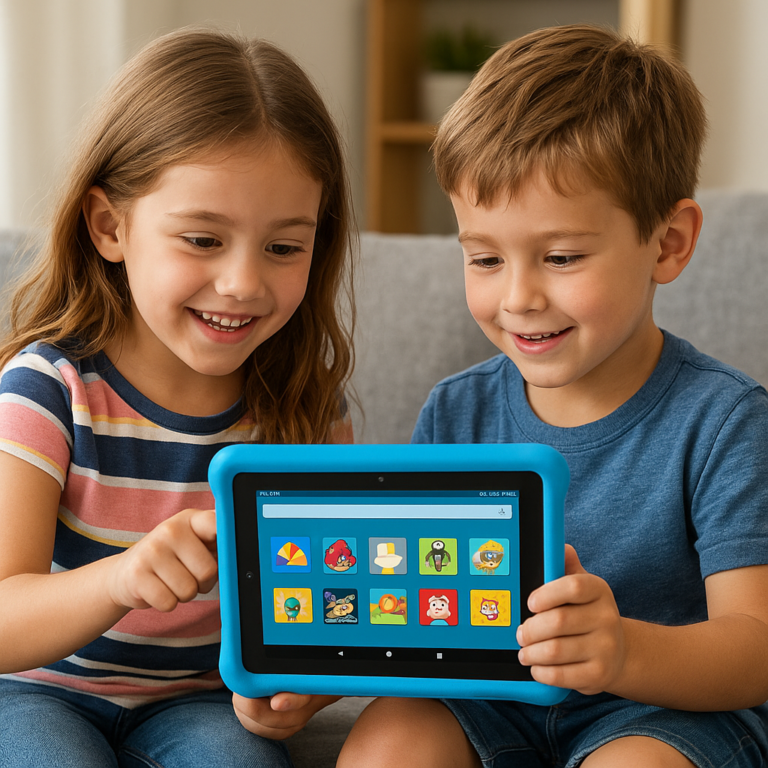
| Amazon Fire HD 10 Kids Pro | 7 | 7 | 9 | 7 | 10 | 7 | 9 | 8 |
| Amazon Fire HD 8 Kids | 6 | 6 | 9 | 7 | 10 | 7 | 9 | 7 |
| Samsung Galaxy Tab A8 Kids Edition | 7 | 7 | 8 | 7 | 8 | 8 | 8 | 7 |
| Lenovo Tab M10 Plus (3rd Gen) | 7 | 7 | 7 | 7 | 7 | 8 | 8 | 7 |
| Microsoft Surface Go 3 | 8 | 8 | 7 | 8 | 7 | 8 | 7 | 8 |
| Acer Chromebook Tab 10 | 7 | 7 | 7 | 7 | 7 | 8 | 8 | 7 |
| Contixo V8-2 Kids Tablet | 6 | 6 | 8 | 6 | 7 | 6 | 9 | 6 |
| Dragon Touch Y88X Pro Kids Tablet | 6 | 6 | 8 | 6 | 7 | 6 | 9 | 6 |
Detailed Tablet Analyses
1. Apple iPad Air (5th Gen)
- Why it shines: The iPad Air is a powerhouse, offering a fantastic balance of performance, a vibrant Liquid Retina display, and access to the unparalleled iOS app ecosystem. Its M1 chip ensures smooth multitasking and responsiveness, crucial for complex educational apps. iOS’s built-in accessibility features like VoiceOver, Speak Screen, Guided Access, and Magnifier are top-tier, making it highly adaptable for various LDs. The Apple Pencil (2nd Gen) support is excellent for handwriting practice or drawing.
- Pros: Exceptional performance, vast and high-quality app library, robust accessibility features, excellent stylus support, strong resale value.
- Cons: Higher price point, not as inherently durable as kid-specific tablets (requires a good case).
- Our Take: “My son, who has dysgraphia, absolutely thrives with his iPad Air. The speech-to-text is incredibly accurate, and he can use the Apple Pencil for creative expression without the frustration of traditional handwriting,” shares Sarah, a parent on our team. It’s a premium choice, but the long-term value in terms of app support and performance is undeniable.
- 👉 CHECK PRICE on: Amazon | Walmart | Apple Official Website
2. Apple iPad (10th Gen)
- Why it shines: The standard iPad offers much of the iPad Air’s magic at a more accessible price. It boasts a beautiful 10.9-inch Liquid Retina display, A14 Bionic chip, and full support for iPadOS’s excellent accessibility features. It’s compatible with the Apple Pencil (1st Gen) and Magic Keyboard Folio, making it versatile for both learning and productivity.
- Pros: Great performance for the price, extensive app ecosystem, excellent accessibility, good screen size.
- Cons: Still a significant investment, requires a sturdy case, 1st Gen Apple Pencil charges awkwardly.
- Our Take: “For many families, the base iPad is the sweet spot. You get all the critical iOS accessibility features and app access without the premium cost of the Air or Pro. It’s a fantastic all-rounder for educational tablets,” says Mark, our lead app developer.
- 👉 CHECK PRICE on: Amazon | Best Buy | Apple Official Website
3. Amazon Fire HD 10 Kids Pro
- Why it shines: Designed specifically for older kids (6-12), the Kids Pro version of the Fire HD 10 offers a full-featured tablet experience with Amazon’s legendary parental controls. It comes with a year of Amazon Kids+ (formerly FreeTime), offering thousands of curated books, games, and educational content. The included rugged case and 2-year worry-free guarantee are huge peace of mind for parents.
- Pros: Excellent parental controls, durable case included, 2-year warranty, Amazon Kids+ subscription, affordable.
- Cons: Limited app ecosystem compared to iOS/Android (relies on Amazon Appstore), less powerful processor, some advanced accessibility features might be less refined.
- Our Take: “We recommend the Fire HD 10 Kids Pro constantly for its incredible value and robust parental controls. For kids with ADHD, the ability to strictly limit app access and screen time is invaluable. Just be aware that some specialized apps might not be available,” advises Emily, a parent and educator on our team.
- 👉 CHECK PRICE on: Amazon | Target
4. Amazon Fire HD 8 Kids
- Why it shines: Similar to its larger sibling, the Fire HD 8 Kids is perfect for younger children (3-7) or those who prefer a more compact device. It shares the same fantastic parental controls, durable case, and 2-year warranty as the Kids Pro, making it a worry-free option. It’s incredibly affordable, making it a great entry point into kid-friendly tablets.
- Pros: Very affordable, excellent parental controls, durable case, 2-year warranty, Amazon Kids+ subscription.
- Cons: Smaller screen, lower resolution, less powerful, limited app selection.
- Our Take: “For younger kids or those needing a highly controlled environment, the Fire HD 8 Kids is a winner. My daughter, who has mild ASD, found the simplicity of the interface and the curated content of Amazon Kids+ really helpful for focused play and learning,” says David, a Kids Tablets™ developer.
- 👉 CHECK PRICE on: Amazon | Walmart
5. Samsung Galaxy Tab A8 Kids Edition
- Why it shines: Samsung offers a solid Android tablet experience with its Kids Edition. It comes with a protective bumper case and access to Samsung Kids, a curated library of kid-friendly content and parental controls. The Android ecosystem provides a wider range of apps than Amazon Fire, and Samsung’s One UI is generally user-friendly.
- Pros: Good balance of features and price, access to Google Play Store, decent parental controls, included protective case.
- Cons: Not as powerful as iPads, Samsung Kids content might not be as extensive as Amazon Kids+.
- Our Take: “The Galaxy Tab A8 Kids Edition is a strong contender if you prefer the Android ecosystem but still want kid-specific features. It’s a good middle-ground for tablet comparisons between budget and premium,” notes Lisa, a parent on our team.
- 👉 CHECK PRICE on: Amazon | Best Buy | Samsung Official Website
6. Lenovo Tab M10 Plus (3rd Gen)
- Why it shines: This Android tablet offers a large, sharp display and a respectable performance for its price. It runs a relatively clean version of Android, giving access to the full Google Play Store and its vast array of educational apps. While it doesn’t come with a kid-specific bumper, Lenovo offers a “Kids Mode” software experience with parental controls.
- Pros: Large, high-resolution screen, good value, access to Google Play Store, decent performance.
- Cons: No included rugged case (must buy separately), Kids Mode is software-based, not as robust as Amazon Kids+.
- Our Take: “If you’re looking for a larger screen Android tablet without breaking the bank, and you’re comfortable adding your own protective case and setting up Google Family Link, the Tab M10 Plus is a solid choice. The bigger screen can be great for visual learners,” says Mark, our app developer.
- 👉 CHECK PRICE on: Amazon | Lenovo Official Website
7. Microsoft Surface Go 3
- Why it shines: The Surface Go 3 is a unique entry as it runs full Windows 11 in a tablet form factor. This means access to a wider range of desktop-grade software, which can be beneficial for older children with LDs who need more powerful tools for writing, research, or specific assistive software not available on mobile OS. It supports the Surface Pen for precise input.
- Pros: Full Windows OS, access to desktop software, good for productivity, excellent stylus support, portable.
- Cons: Higher price, battery life can be shorter, Windows environment can be more complex for younger kids, less “kid-proof” design.
- Our Take: “For a child transitioning to middle school or high school who needs access to specific Windows-based assistive software, the Surface Go 3 is a fantastic option. It bridges the gap between a tablet and a laptop, offering powerful tools for learning challenges,” explains Emily.
- 👉 CHECK PRICE on: Amazon | Best Buy | Microsoft Official Website
8. Acer Chromebook Tab 10
- Why it shines: This tablet runs Chrome OS, offering a blend of web-based learning tools and Android app compatibility. It’s often found in educational settings due to its manageability and integration with Google Classroom. It comes with a stylus, which is great for note-taking and drawing.
- Pros: Chrome OS is simple and secure, good for web-based learning, Android app support, often includes a stylus.
- Cons: App selection can be less optimized than pure Android/iOS, not as powerful, less common for home use.
- Our Take: “If your child’s school uses Chromebooks, this tablet offers a seamless transition between home and school learning. It’s a robust device for accessing web-based educational resources and many Android apps,” says David.
- 👉 CHECK PRICE on: Amazon | Walmart
9. Contixo V8-2 Kids Tablet
- Why it shines: The Contixo V8-2 is a budget-friendly Android tablet specifically marketed for kids. It comes with a durable silicone case, pre-installed educational apps, and parental controls. It’s a good option for families looking for a very affordable entry point into tablet learning.
- Pros: Very affordable, included protective case, pre-loaded content, simple parental controls.
- Cons: Lower performance, smaller app ecosystem (though it has Google Play), screen quality is basic.
- Our Take: “For families on a tight budget, tablets like the Contixo V8-2 can still provide valuable access to digital learning. Just manage expectations regarding speed and screen quality. It’s a good starter tablet for younger kids,” advises Lisa.
- 👉 CHECK PRICE on: Amazon
10. Dragon Touch Y88X Pro Kids Tablet
- Why it shines: Another strong contender in the budget kids’ tablet category, the Dragon Touch Y88X Pro offers a colorful, durable case, access to the Google Play Store, and a suite of parental controls through the Kidoz app. It’s designed to be easy for kids to use and for parents to manage.
- Pros: Affordable, durable case included, Google Play Store access, Kidoz parental controls.
- Cons: Modest performance, basic screen, battery life might not be as long as premium options.
- Our Take: “Similar to the Contixo, the Dragon Touch Y88X Pro is a solid budget choice. It’s great for basic educational apps and controlled screen time. The Kidoz app is quite intuitive for setting up safe zones,” says Sarah.
- 👉 CHECK PRICE on: Amazon
1.1 Tablets for Dyslexia Support
For children with dyslexia, the primary goal is to make reading and writing less daunting. Tablets can be revolutionary here! We’re looking for devices with excellent text-to-speech (TTS) capabilities, robust speech-to-text (STT), and screens that are easy on the eyes.
- Key Features:
- High-quality TTS: The ability to hear text read aloud while simultaneously seeing it highlighted.
- Accurate STT: For dictating thoughts and bypassing handwriting struggles.
- Customizable Display: Adjustable font sizes, styles (like OpenDyslexic), and color overlays.
- Stylus Support: For tracing letters or practicing handwriting in a digital format.
- Top Picks:
- Apple iPad Air / iPad (10th Gen): iOS excels with its built-in Speak Screen, VoiceOver, and a vast array of specialized dyslexia apps like Nessy, Epic!, and Bookshare. The Apple Pencil is fantastic for digital handwriting practice.
- Microsoft Surface Go 3: Running full Windows, it can run powerful desktop-grade dyslexia software like ClaroRead or Read&Write, offering comprehensive support for older students.
- Anecdote: “My daughter used to dread reading time. With her iPad, she uses the ‘Speak Screen’ feature constantly. Hearing the words while seeing them highlighted has dramatically improved her comprehension and confidence. It’s like having a patient tutor right there with her,” shares a Kids Tablets™ parent.
- Internal Link: Discover more about how tablets can transform learning in our Educational Tablets section.
1.2 Tablets for ADHD and Attention Challenges
Children with ADHD often struggle with focus, impulsivity, and organization. The right tablet can be a structured environment that minimizes distractions and helps build executive function skills.
- Key Features:
- Robust Parental Controls / Guided Access: To lock the child into a single app or block distracting websites/notifications.
- Minimalist Interface: Less visual clutter helps maintain focus.
- Apps for Organization and Time Management: Digital planners, timers, and reminder apps.
- Gamified Learning: Engaging apps that use rewards and progress tracking to sustain interest. The JMIR study on serious games noted that adaptive difficulty systems helped keep players within an “optimal gameplay corridor” to enhance flow, which is crucial for ADHD.
- Top Picks:
- Amazon Fire HD Kids Pro / Kids: Their Amazon Kids+ environment and strict parental controls are unparalleled for creating a distraction-free zone.
- Apple iPad Air / iPad (10th Gen): Guided Access is a game-changer, and the App Store offers excellent organizational apps like Todoist and focus tools like Forest.
- Anecdote: “Liam used to bounce between apps every five minutes. With the Fire HD 10 Kids Pro, we set up strict time limits and only allowed access to his learning apps during ‘study time.’ It took some adjustment, but now he knows the boundaries, and his focus has improved dramatically,” says David, a Kids Tablets™ developer and parent.
1.3 Tablets for Autism Spectrum Disorder (ASD)
For children on the autism spectrum, tablets can be powerful tools for communication, social skills development, and structured learning. Visual learning is often a strength, and tablets leverage this beautifully.
- Key Features:
- Visual Supports: Apps for visual schedules, social stories, and cause-and-effect learning.
- Augmentative and Alternative Communication (AAC) Apps: For non-verbal or minimally verbal children (e.g., Proloquo2Go, PECS).
- Customizable Interfaces: To reduce sensory overload and provide predictable navigation.
- Durable Design: To withstand potential drops or intense interaction.
- Top Picks:
- Apple iPad Air / iPad (10th Gen): The gold standard for AAC apps due to its processing power and extensive app library. Many therapists recommend iPads for this reason.
- Amazon Fire HD Kids Pro / Kids: Excellent for structured, visual learning apps and highly controlled environments for younger children.
- Anecdote: We’ve seen incredible transformations. Just like Danny, featured in a news report, who used his mother’s tablet to learn shapes and colors, showing progress not seen with traditional methods. Vickina Ildefonso, Danny’s mother, shared that he is now able to “manipulate” and “do these things” on the tablet, whereas before he was “clueless.” Heather Brennan from Family Service of Rhode Island explains that children with autism “really learn best through their visual systems” and can learn new skills using tablets. You can watch the full report here to see Danny’s inspiring journey. This perfectly illustrates how tablets can bridge communication gaps and facilitate learning for children with ASD.
- Internal Link: Explore our insights on iOS Tablets for more on Apple’s offerings.
1.4 Tablets for Auditory and Visual Processing Disorders
These disorders affect how the brain interprets sensory information. Tablets can provide compensatory strategies and targeted training.
- Key Features:
- Clear Audio Output: For auditory processing, ensuring instructions and content are crisp.
- Visual Aids: High-contrast modes, customizable cursors, and visual organizers for visual processing.
- Apps for Auditory Training: Games that help differentiate sounds or follow multi-step auditory commands.
- Apps for Visual Tracking and Discrimination: Games that improve visual attention and pattern recognition.
- Top Picks:
- Apple iPad Air / iPad (10th Gen): Excellent audio quality and a wide range of apps for both visual and auditory training. Display Accommodations in iOS allow for fine-tuning visual settings.
- Lenovo Tab M10 Plus (3rd Gen): Its large, clear screen is beneficial for visual processing, allowing for larger text and less cluttered displays.
- Our Take: “For auditory processing, we look for tablets that can connect easily to high-quality headphones, minimizing external noise. For visual processing, a vibrant, high-resolution screen with customizable display settings is paramount,” explains Mark, our app developer.
🧩 Best Educational Apps and Software for Learning Disabilities
A tablet is only as good as the apps it runs, right? This is where the magic truly happens for kids with learning disabilities. Our Kids Tablets™ team, including our app developers, spends countless hours sifting through the app stores to find the real gems – those apps that are not only engaging but also genuinely effective. Remember the “serious games” concept from the JMIR study? These apps embody that spirit, turning learning into an adventure!
Apps for Dyslexia and Reading Challenges
- Nessy Reading & Spelling: ✅ (iOS, Android, Web) A comprehensive, multisensory program designed by experts to help children with dyslexia learn to read, write, and spell. It uses fun characters and engaging games.
- 👉 CHECK PRICE on: Nessy Official Website
- Epic! – Kids’ Books and Reading: ✅ (iOS, Android) A digital library offering thousands of books, many with “Read to Me” features, which are invaluable for children with dyslexia. It allows for customizable reading experiences.
- 👉 CHECK PRICE on: Amazon Appstore | Google Play Store | Apple App Store
- Bookshare: ✅ (Web, compatible with various readers) Provides accessible ebooks for people with reading barriers. It’s a fantastic resource for getting books in formats that can be read aloud or customized.
- 👉 CHECK PRICE on: Bookshare Official Website
- ClaroSpeak: ✅ (iOS, Android) A powerful text-to-speech app that reads aloud any text, including documents, PDFs, and web pages. It offers customizable voices and highlighting options.
- 👉 CHECK PRICE on: Google Play Store | Apple App Store
Apps for ADHD and Attention Challenges
- Todoist: ✅ (iOS, Android, Web) While not kid-specific, for older children or those with strong organizational needs, Todoist is a fantastic task management app. It helps break down tasks, set reminders, and track progress, fostering executive function skills.
- 👉 CHECK PRICE on: Google Play Store | Apple App Store
- Forest: Stay Focused: ✅ (iOS, Android) A unique app that helps users stay focused by “planting a tree.” If you leave the app before your timer is up, your tree dies. It’s a brilliant gamified approach to focus.
- 👉 CHECK PRICE on: Google Play Store | Apple App Store
- BrainPOP: ✅ (iOS, Android, Web) Offers animated educational videos and quizzes on a vast range of subjects. Its engaging format and short, digestible lessons are excellent for maintaining attention.
- 👉 CHECK PRICE on: BrainPOP Official Website
- Khan Academy Kids: ✅ (iOS, Android) Provides a free, fun educational program for young children, covering reading, math, and social-emotional skills. Its adaptive learning paths keep kids engaged without overwhelming them.
- 👉 CHECK PRICE on: Google Play Store | Apple App Store
Apps for Autism Spectrum Disorder (ASD)
- Proloquo2Go: ✅ (iOS) A leading Augmentative and Alternative Communication (AAC) app that provides a voice for non-verbal individuals. It’s highly customizable and widely recommended by speech therapists.
- 👉 CHECK PRICE on: Apple App Store
- PECS (Picture Exchange Communication System) Apps: ✅ (Various, search “PECS” on app stores) These apps digitize the traditional PECS system, allowing children to communicate by exchanging picture icons.
- 👉 CHECK PRICE on: Google Play Store | Apple App Store
- Toca Life Series (Toca Boca): ✅ (iOS, Android) These open-ended digital dollhouses allow children to explore social scenarios, practice imaginative play, and develop narrative skills in a safe, low-pressure environment.
- 👉 CHECK PRICE on: Google Play Store | Apple App Store
Apps for Dyscalculia and Math Difficulties
- SplashLearn: ✅ (iOS, Android, Web) Offers engaging math games and activities for pre-K to 5th grade, adapting to the child’s level. It makes learning math concepts fun and interactive.
- 👉 CHECK PRICE on: Google Play Store | Apple App Store
- Moose Math (Duck Duck Moose): ✅ (iOS, Android) A delightful app for younger children that teaches early math concepts through fun, interactive games. Part of the Khan Academy Kids family.
- 👉 CHECK PRICE on: Google Play Store | Apple App Store
The Power of “Serious Games”
Remember the JMIR study we mentioned? It highlighted how “serious games” — games designed for a primary purpose other than pure entertainment — can be incredibly effective. The study found that “These games provide thorough training material for different types of SpLD with personalized and tailored difficulty systems.” This means apps that are fun, engaging, and adapt to your child’s progress are often the most impactful. Look for apps that offer:
- Adaptive Difficulty: Adjusts challenges based on performance.
- Immediate Feedback: Helps children understand mistakes and correct them quickly.
- Clear Goals and Rewards: Motivates continued engagement.
- Multisensory Input: Combines visuals, audio, and touch.
When choosing apps, always read reviews, check for therapist recommendations, and ideally, try them out yourself or with your child during a free trial. The right app can turn a struggle into a strength!
🛠️ Customizing Tablets: Accessibility Features and Parental Controls
So, you’ve picked out a fantastic tablet. Now what? The real power of these devices for children with learning disabilities lies in how you customize them. Think of it like tailoring a suit – it needs to fit your child perfectly to be truly effective. Our Kids Tablets™ team, from parents to developers, can’t stress enough the importance of diving deep into accessibility features and setting up robust parental controls. This isn’t just about safety; it’s about creating an optimized learning environment that minimizes frustration and maximizes focus.
Unlocking Accessibility: Making the Tablet Work for Your Child
Every major operating system (iOS, Android, Fire OS) comes packed with incredible accessibility tools. Knowing where to find them and how to use them is key.
For Apple iPads (iOS):
Apple is often lauded for its comprehensive accessibility suite.
- Guided Access: This is your secret weapon for focus!
- How to enable: Go to
Settings > Accessibility > Guided Access. Turn it on. - What it does: Locks the iPad into a single app, disables hardware buttons, and even allows you to disable specific areas of the screen (e.g., distracting ads or navigation buttons within an app).
- Why it helps: Perfect for children with ADHD or those easily distracted, ensuring they stay on task during learning sessions.
- Step-by-step: Open the desired app. Triple-click the Home button (or Side button on newer iPads). Tap “Guided Access.” You can then set a passcode, time limits, and disable touch or motion if needed.
- How to enable: Go to
- VoiceOver: A powerful screen reader for children with visual impairments or those who benefit from auditory descriptions.
- How to enable:
Settings > Accessibility > VoiceOver. - What it does: Speaks aloud what’s on the screen, allowing navigation without sight.
- How to enable:
- Speak Screen / Speak Selection: Essential for dyslexia and reading difficulties.
- How to enable:
Settings > Accessibility > Spoken Content. Turn on “Speak Selection” and “Speak Screen.” - What it does: “Speak Selection” reads highlighted text. “Speak Screen” reads the entire screen content from top to bottom with a two-finger swipe down from the top. You can adjust speaking rate and highlight content.
- How to enable:
- Display & Text Size: Customize the visual experience.
- How to enable:
Settings > Accessibility > Display & Text Size. - What it does: Allows you to bold text, increase text size, reduce transparency, increase contrast, and even apply color filters (e.g., a yellow overlay for some dyslexic readers).
- How to enable:
- Magnifier: Turns your iPad into a digital magnifying glass.
- How to enable:
Settings > Accessibility > Magnifier. - What it does: Uses the camera to zoom in on real-world objects or text, helpful for visual processing challenges.
- How to enable:
For Android Tablets (e.g., Samsung, Lenovo):
Android’s accessibility features are robust and constantly improving, though their exact location might vary slightly by manufacturer.
- Digital Wellbeing & Parental Controls (Google Family Link):
- How to enable:
Settings > Digital Wellbeing & parental controls. - What it does: Allows you to set app timers, pause apps, schedule downtime, and manage content. For more comprehensive control, use Google Family Link to manage your child’s device remotely.
- Why it helps: Crucial for managing screen time management and ensuring a balanced digital diet.
- How to enable:
- TalkBack: Android’s screen reader, similar to VoiceOver.
- How to enable:
Settings > Accessibility > TalkBack. - What it does: Provides spoken feedback and allows for touch-based navigation.
- How to enable:
- Select to Speak: Android’s equivalent of Speak Selection/Speak Screen.
- How to enable:
Settings > Accessibility > Select to Speak. - What it does: Tap specific items on your screen to hear them read aloud, or drag your finger across text.
- How to enable:
- Text-to-speech output: Customize the voice and speed.
- How to enable:
Settings > Accessibility > Text-to-speech output. - What it does: Adjusts the speech rate, pitch, and preferred engine for spoken content.
- How to enable:
- Display Size and Text:
- How to enable:
Settings > Display > Display size and text. - What it does: Allows you to adjust font size, display size, and bold text for better readability.
- How to enable:
For Amazon Fire Tablets (Fire OS):
Amazon Fire tablets are renowned for their integrated parental controls through Amazon Kids+.
- Amazon Kids+ (formerly FreeTime):
- How to enable: Access from the adult profile. Create a child profile or select an existing one.
- What it does: Provides a curated, ad-free environment with thousands of books, games, and videos. Parents can set daily time limits, educational goals (e.g., “read for 30 minutes before playing games”), and filter content by age.
- Why it helps: Creates a highly controlled and safe learning space, ideal for younger children or those who need strict boundaries.
- Accessibility Features: Fire OS also has its own set of accessibility tools.
- How to enable:
Settings > Accessibility. - What it does: Includes Screen Reader (similar to VoiceOver/TalkBack), Text-to-Speech, Font Size, High Contrast Text, and Color Inversion.
- How to enable:
The Power of Parental Controls: Your Digital Guardrails
“Parental controls aren’t about being a ‘helicopter parent’; they’re about being a ‘guide parent’,” says Emily, a Kids Tablets™ educator. They are essential for:
- Managing Screen Time: ✅ Setting healthy limits prevents overuse and ensures time for other activities.
- Content Filtering: ✅ Blocking inappropriate content and ensuring access only to approved educational apps.
- Preventing Distractions: ✅ Disabling notifications, social media, or non-educational games during learning sessions.
- Monitoring Usage: ✅ Understanding what your child is engaging with and for how long.
Our Pro Tip: Don’t just set it and forget it! Regularly review your child’s tablet usage and adjust settings as their needs evolve. Involve your child in the process where appropriate, explaining why certain controls are in place. This fosters understanding and cooperation.
For more detailed, step-by-step instructions on setting up these features, be sure to visit our Tablet How-To Guides section!
🎯 How to Maximize Learning Outcomes with Tablets
You’ve got the perfect tablet, loaded with fantastic apps, and all the accessibility features are dialed in. Now, how do you ensure this powerful tool truly transforms your child’s learning journey? It’s not just about handing over the device; it’s about strategic integration and thoughtful engagement. As parents and developers at Kids Tablets™, we’ve seen what works (and what doesn’t!). Here’s our expert advice to help you maximize those precious learning outcomes.
Strategies for Success
-
Integrate, Don’t Isolate: The tablet shouldn’t be a standalone learning island. It should complement and enhance other learning methods.
- Bridge Digital and Physical: If an app teaches letter sounds, follow up with physical letter blocks or a whiteboard. If it’s a math game, apply the concepts to real-world scenarios like counting groceries.
- Collaborate with Educators: Share information with your child’s teachers and therapists. What apps are they using? How can the tablet reinforce school lessons? This holistic approach ensures consistency and reinforces learning across environments.
- “Assistive technology, including specialized tablets, can make a significant difference in a child’s educational journey,” emphasizes the LDAA. This journey is best navigated with a team!
-
Structure and Routine are Your Friends: Children with learning disabilities, especially those with ADHD or ASD, often thrive on predictability.
- Dedicated Learning Time: Establish specific times for tablet-based learning. This helps build a routine and signals to the child that this is “work time,” not just “play time.”
- Clear Expectations: Before starting, discuss what the learning goal is. “Today, we’re going to spend 20 minutes on your reading app, then 10 minutes on a math game.”
- Visual Schedules: For children with ASD, using visual schedules (either on the tablet itself or a physical one) can help them understand the flow of activities, including tablet use.
-
Active Participation and Engagement (Yours!): Don’t just set it and forget it. Your involvement is crucial.
- Co-Play and Co-Learn: Sit with your child. Ask questions about what they’re doing. “What’s happening in this story?” “How did you solve that math problem?” This turns passive consumption into active learning and strengthens your bond.
- Celebrate Small Wins: Acknowledge effort and progress, no matter how small. “Wow, you stuck with that challenging game for 15 minutes!” or “Your spelling in that app is really improving!”
- Provide Feedback: Help your child understand their progress. Many apps offer progress reports; review them together.
-
Balance Screen Time with Other Activities: While tablets are powerful, they’re just one piece of the puzzle.
- The 3 C’s: Balance Content (educational vs. entertainment), Context (how and where it’s used), and Child (their individual needs and development).
- Encourage Offline Play: Ensure there’s plenty of time for physical activity, creative play, social interaction, and outdoor exploration. A healthy balance prevents burnout and promotes holistic development.
- My Story: “I learned this the hard way,” shares Sarah, a parent on our team. “My son loved his reading app so much, he’d spend hours on it. But then he’d be exhausted and irritable. We had to implement a strict ‘tablet off for outdoor play’ rule, and it made a huge difference in his overall mood and even his focus during tablet time.”
-
Empower Choice (Within Limits): Giving children some autonomy can boost motivation.
- App Choices: “Would you like to start with your reading app or your math game today?”
- Learning Styles: Observe how your child best uses the tablet. Do they prefer auditory input, visual cues, or hands-on interaction? Tailor app choices and settings accordingly.
-
Regularly Review and Update:
- App Updates: Keep apps updated to benefit from new features and bug fixes.
- Child’s Needs Evolve: As your child grows and develops, their learning needs will change. Re-evaluate apps, accessibility settings, and parental controls periodically. What worked at age 6 might not be ideal at age 9.
By thoughtfully integrating tablets into your child’s learning ecosystem and actively participating in their digital journey, you’re not just providing a device – you’re opening up a world of possibilities and empowering them to thrive!
💡 Real-Life Stories: Parents and Kids Share Their Tablet Successes
At Kids Tablets™, we’re not just about specs and features; we’re about the real impact these devices have on families. Our team is made up of parents, kids, and app developers who live and breathe this stuff. We’ve seen firsthand how the right tablet, paired with the right apps and a supportive environment, can turn struggles into triumphs. These aren’t just anecdotes; they’re testaments to the power of inclusive technology.
Sarah’s Story: Conquering Dyslexia with an iPad
“My daughter, Lily, was diagnosed with dyslexia in second grade. Reading was a battle every single night. She’d get so frustrated, the tears would flow, and honestly, so would mine,” shares Sarah, a Kids Tablets™ parent and content specialist. “We tried everything – tutors, special reading programs, but nothing really clicked until we got her an Apple iPad (10th Gen).
The game-changer for Lily was the combination of the ‘Speak Screen’ feature and the Epic! app. She could choose any book, and the iPad would read it aloud, highlighting each word as it went. It was like magic! Suddenly, the words weren’t just static, intimidating blocks of text. She could hear them, see them, and follow along without getting lost.
We also found the Nessy Reading & Spelling app incredibly engaging. It turned phonics and spelling rules into fun, quirky games. Lily, who used to hide from reading, now voluntarily picks up her iPad to ‘play Nessy.’ Her confidence has soared, and her reading fluency has improved dramatically. It wasn’t an overnight fix, but the iPad gave her the tools to access reading in a way that finally made sense to her. It truly empowered her.”
Liam’s Journey: Finding Focus with a Fire Tablet
David, one of our app developers and a father of two, recounts his experience with his son, Liam, who has ADHD. “Liam is a brilliant kid, but his attention span was like a butterfly – flitting from one thing to the next. Homework was a constant struggle of redirection and frustration. We were at our wits’ end trying to find something that would help him focus without feeling like a punishment.
We decided to try the Amazon Fire HD 10 Kids Pro. What sold us was the Amazon Kids+ environment and, more importantly, the incredibly robust parental controls. We set up strict time limits for educational apps versus entertainment, and we used the ‘Learn First’ feature, which required him to complete a certain amount of reading or math before he could access games.
Initially, there was resistance, of course! But after a week or two, Liam started to understand the routine. We found apps like Khan Academy Kids and SplashLearn were perfect because they were gamified and kept him engaged. The tablet’s ability to lock him into a single app, preventing him from jumping to YouTube, was invaluable. He still has his moments, but now he can complete his ‘tablet learning’ sessions with far less prompting, and we’ve seen a noticeable improvement in his ability to sustain attention on other tasks too. It’s given him a sense of accomplishment he didn’t have before.”
Maya’s Breakthrough: Communication with an iPad for ASD
“As an app developer, I’m always looking at the technical side, but as a parent, it’s the emotional impact that truly resonates,” says Mark, our lead app developer. “My niece, Maya, is on the autism spectrum and was largely non-verbal until she was about five. Her parents struggled immensely with understanding her needs and frustrations.
They invested in an Apple iPad Air (5th Gen) and, on the recommendation of her speech therapist, the Proloquo2Go AAC app. It was a slow start, but Maya responded incredibly well to the visual nature of the app. She could tap pictures to form sentences, expressing things she couldn’t verbalize.
I remember the first time she used it to clearly say, ‘I want apple juice.’ Her parents were in tears. It wasn’t just about the words; it was about her being able to communicate her desires, her feelings. The iPad became her voice. It reduced her meltdowns significantly because she had a way to express herself, and it opened up a whole new world of interaction for her. It truly highlights how assistive technology can bridge profound communication gaps.”
These stories aren’t unique. They represent countless families who have found hope and progress through the thoughtful use of tablets. They remind us why we do what we do at Kids Tablets™ – because every child deserves the chance to learn, grow, and communicate.
🔧 Troubleshooting Common Issues with Kids Tablets
Even the best tools can sometimes act up, and kids’ tablets are no exception! From frustrating freezes to mysterious app crashes, our Kids Tablets™ team has heard (and experienced!) it all. Don’t let a tech hiccup derail a productive learning session. Here’s a quick guide to troubleshooting common issues, so you can get back to empowering your child’s learning journey without pulling your hair out.
1. The Dreaded “Frozen Screen” or Unresponsive Tablet 🥶
- The Problem: The tablet isn’t responding to touches, or an app is stuck.
- Our Fix:
- Soft Reset: This is your first line of defense.
- Apple iPad: Press and hold the Power button and either Volume Up or Volume Down button simultaneously until the “slide to power off” slider appears. Slide it off. Wait 30 seconds, then press and hold the Power button again until the Apple logo appears.
- Android/Fire Tablet: Press and hold the Power button for about 10-20 seconds until the device restarts.
- Force Quit App: If only one app is frozen, try force quitting it.
- iOS: Swipe up from the bottom of the screen (or double-click the Home button), then swipe the problematic app’s card upwards to close it.
- Android: Go to
Settings > Apps > (select the app) > Force Stop.
- Soft Reset: This is your first line of defense.
- Why it happens: Often a temporary software glitch, too many apps running in the background, or an app misbehaving.
2. Battery Draining Too Fast 🔋
- The Problem: The tablet’s battery life seems shorter than usual, or it’s draining quickly even when not in use.
- Our Fix:
- Check Battery Usage: Go to
Settings > Battery(or similar) to see which apps are consuming the most power. Close or uninstall power-hungry apps if they’re not essential. - Reduce Screen Brightness: A bright screen is a battery killer. Lower the brightness or enable auto-brightness.
- Disable Background App Refresh: For iOS, go to
Settings > General > Background App Refresh. For Android, check individual app settings. - Turn Off Wi-Fi/Bluetooth: If not in use, turn these off.
- Update Software: Ensure the tablet’s operating system is up to date, as updates often include battery optimizations.
- Check Battery Usage: Go to
- Why it happens: High screen brightness, too many apps running in the background, outdated software, or a worn-out battery (if the tablet is old).
3. Apps Crashing or Not Loading 💥
- The Problem: Specific apps frequently crash, or they won’t open at all.
- Our Fix:
- Restart Tablet: Often resolves temporary app glitches.
- Update the App: Go to your app store (App Store, Google Play, Amazon Appstore) and check for updates for the problematic app.
- Clear App Cache/Data (Android/Fire): Go to
Settings > Apps > (select the app) > Storage > Clear Cache(and optionallyClear Dataif clearing cache doesn’t work, but this will erase app data). - Reinstall the App: Uninstall the app, restart the tablet, then reinstall it.
- Check for OS Updates: Sometimes app compatibility issues arise with outdated operating systems.
- Why it happens: App bugs, insufficient RAM, corrupted app data, or incompatibility with the tablet’s OS version.
4. Wi-Fi Connectivity Issues 📶
- The Problem: The tablet won’t connect to Wi-Fi, or the connection is unstable.
- Our Fix:
- Toggle Wi-Fi Off/On: Turn Wi-Fi off on the tablet, wait a few seconds, then turn it back on.
- Restart Router/Modem: Unplug your Wi-Fi router and modem for 30 seconds, then plug them back in.
- Forget Network and Reconnect: Go to Wi-Fi settings on the tablet, “forget” the problematic network, then reconnect and re-enter the password.
- Check Other Devices: See if other devices are having Wi-Fi issues. If so, the problem is likely with your router/internet service.
- Why it happens: Router glitches, incorrect password, interference, or a software bug on the tablet.
5. Not Enough Storage Space 💾
- The Problem: You can’t download new apps or save files because the tablet is full.
- Our Fix:
- Delete Unused Apps: Go through your app list and uninstall anything your child no longer uses.
- Clear Photos/Videos: Back up photos and videos to cloud storage (Google Photos, iCloud, Amazon Photos) or a computer, then delete them from the tablet.
- Clear App Caches: Many apps store large amounts of cached data. Clear them regularly (see “Apps Crashing” section).
- Check “Other” Storage (iOS): Connect to a computer and use iTunes/Finder to see what’s taking up space in the “Other” category, which can sometimes be cleared by a factory reset (as a last resort).
- Use External Storage (Android/Fire): If your tablet has a microSD card slot, move apps and media to the card.
- Why it happens: Too many downloaded apps, large media files, or accumulated app cache.
Our Developer’s Tip: “Regular maintenance goes a long way,” advises Mark, our lead app developer. “Encourage your kids (or help them) to regularly delete old games, clear caches, and keep the OS updated. It’s like tidying their digital room!”
For more in-depth guides and specific troubleshooting steps for various tablet models, head over to our Tablet How-To Guides section!
📈 Latest Research and Trends in Assistive Technology for Learning Disabilities
The world of assistive technology is constantly evolving, and for children with learning disabilities, this means an ever-expanding toolkit of innovative solutions. At Kids Tablets™, we’re always keeping our finger on the pulse of the latest research and trends, because what’s cutting-edge today could be standard practice tomorrow. It’s an exciting time to be involved in special education and digital learning tools!
The Rise of Serious Games and Adaptive Learning
One of the most compelling trends we’ve seen is the increasing focus on “serious games” – educational games designed with specific learning objectives in mind, rather than just entertainment. The JMIR Serious Games study is a fantastic example of this. They developed five serious games targeting various specific learning disabilities (SpLDs) like dyslexia, dyscalculia, and dysgraphia.
- Key Finding: The study concluded that “Both the educators and the children with SpLD enjoyed playing the games, gave positive feedback, and suggested new ways for improvement.” This underscores the power of engaging, gamified learning.
- Adaptive Difficulty: A crucial element highlighted by JMIR was the implementation of adaptive difficulty systems. These systems adjust the challenge level in real-time based on the child’s performance. For instance, in a memory game, the display time of letters might be reduced or increased by 0.5 seconds. This keeps children in an “optimal gameplay corridor,” preventing both boredom and overwhelming frustration. “These games provide thorough training material for different types of SpLD with personalized and tailored difficulty systems,” the study authors noted. This personalized approach is a cornerstone of effective learning for kids with LDs.
- Our Take: Our app developers are constantly exploring ways to integrate adaptive learning algorithms into our own recommended apps. It’s not just about making games fun; it’s about making them smart and responsive to individual needs.
Artificial Intelligence (AI) and Machine Learning (ML) in Education
AI is no longer just science fiction; it’s rapidly becoming a powerful force in personalized learning.
- Intelligent Tutoring Systems: AI can power virtual tutors that provide individualized instruction, identify learning gaps, and offer targeted feedback. Imagine an AI tutor that can detect if a child is struggling with a specific phonics rule and then generate custom exercises on the fly.
- Predictive Analytics: AI can analyze a child’s learning patterns to predict potential difficulties and recommend interventions before they become major obstacles.
- Speech Recognition Enhancements: AI is making speech-to-text (STT) and text-to-speech (TTS) even more accurate and natural-sounding, which is a huge boon for dyslexia support and communication for children with speech challenges.
Virtual Reality (VR) and Augmented Reality (AR) for Immersive Learning
While still in early stages for mainstream kids’ tablets, VR and AR hold immense promise for cognitive development and immersive learning experiences.
- VR for Social Skills: VR simulations can provide safe, controlled environments for children with ASD to practice social interactions, understand non-verbal cues, or navigate potentially overwhelming situations.
- AR for Interactive Learning: AR apps can overlay digital information onto the real world, making learning interactive. Imagine pointing your tablet at a book and having 3D models pop out to explain concepts, or using AR to visualize complex math problems.
- Our Vision: We envision a future where children with auditory processing disorders can use AR to visualize sound waves, or those with ADHD can enter a VR environment designed to minimize distractions and enhance focus on a single task.
Wearable Technology and Biofeedback
Beyond tablets, we’re seeing trends in wearable devices that can monitor physiological responses (e.g., heart rate, skin conductance) to provide biofeedback.
- Managing Anxiety/Stress: For children with anxiety related to learning or social situations, wearables could potentially alert them to rising stress levels and guide them through calming exercises.
- Focus Enhancement: Some experimental devices aim to provide feedback on attention levels, helping children learn to self-regulate their focus.
The Importance of Universal Design for Learning (UDL)
Underlying all these technological advancements is the philosophy of Universal Design for Learning (UDL). UDL aims to create learning environments and materials that are accessible to all learners from the outset, rather than retrofitting accommodations.
- Multiple Means of Representation: Presenting information in various formats (visual, auditory, tactile).
- Multiple Means of Action & Expression: Allowing learners to demonstrate knowledge in different ways (typing, speaking, drawing).
- Multiple Means of Engagement: Providing varied ways to motivate and sustain interest.
Our Commitment: At Kids Tablets™, we believe that by embracing these trends and advocating for UDL principles, we can continue to recommend and develop tools that truly empower every child, regardless of their learning profile. The future of assistive technology is bright, and we’re thrilled to be a part of it!
🛒 Where to Buy and What to Avoid: Trusted Brands and Retailers
Alright, you’ve done your research, you know what features you need, and you’ve got a few tablets in mind. Now comes the practical step: where do you actually buy one, and what pitfalls should you steer clear of? Our Kids Tablets™ team has navigated these waters countless times, and we’re here to share our hard-won wisdom to ensure you make a smart, safe purchase.
Trusted Retailers: Your Go-To Spots
When it comes to buying a tablet for a child with specific learning disabilities, reliability and customer support are paramount. We recommend sticking to well-known, reputable retailers.
- Amazon: ✅
- Why: Unbeatable selection, competitive pricing, frequent sales, and excellent customer service. They offer a wide range of tablets, including their own Fire Kids series, Apple iPads, Samsung Galaxy Tabs, and more. Their return policy is generally very straightforward.
- 👉 Shop Tablets on: Amazon.com
- Best Buy: ✅
- Why: Great for seeing devices in person and getting advice from knowledgeable staff. They often price-match and have good protection plans. They carry Apple, Samsung, Microsoft, and other major brands.
- 👉 Shop Tablets on: BestBuy.com
- Walmart: ✅
- Why: Convenient, often has competitive pricing, especially on budget-friendly Android and Fire tablets. Good for in-store pickup.
- 👉 Shop Tablets on: Walmart.com
- Apple Official Website / Apple Store: ✅
- Why: The best place to buy iPads directly. You get expert advice, full warranty support, and often exclusive deals or financing options. Ideal for those prioritizing the Apple ecosystem.
- 👉 Shop Apple iPads on: Apple.com
- Samsung Official Website: ✅
- Why: Direct access to Samsung’s full range of Galaxy Tab devices, often with exclusive bundles or trade-in offers.
- 👉 Shop Samsung Galaxy Tabs on: Samsung.com
- eBay: ⚠️ (Use with caution for refurbished/used)
- Why: Can be a good source for refurbished or used tablets at a lower cost.
- Caution: Only buy from highly-rated sellers with clear return policies and detailed product descriptions. Always check if the device is unlocked and fully functional. For a child with LDs, a reliable, fully functional device is crucial, so new or certified refurbished is generally preferred.
- 👉 Shop Tablets on: eBay.com
What to Avoid: Buyer Beware! ❌
Not all tablets are created equal, and some choices can lead to more frustration than help.
- No-Name, Ultra-Cheap Tablets: ❌
- Why Avoid: While tempting due to low prices, these often come with poor build quality, sluggish processors, outdated Android versions, and limited (or non-existent) customer support. Their screens might be low-resolution, and their app ecosystems can be unreliable. For a child with LDs, a slow, buggy tablet will only add to their frustration.
- Our Take: “We’ve tested many of these budget tablets, and while some are okay for basic entertainment, they rarely meet the performance and accessibility needs for serious learning. You often get what you pay for,” warns Mark, our app developer.
- Tablets with Limited App Ecosystems (Unless it’s a Fire Kids): ❌
- Why Avoid: If a tablet doesn’t have access to the Google Play Store or Apple App Store, its selection of specialized educational apps will be severely limited. While Amazon Fire Kids tablets have a curated Amazon Appstore and Amazon Kids+ content, other obscure Android tablets might not have access to the apps you need.
- Used Tablets Without a Warranty or Clear Return Policy: ❌
- Why Avoid: A used tablet might have hidden issues (e.g., poor battery health, screen defects, software glitches) that aren’t immediately apparent. If it’s for a child with LDs, reliability is key. If you do buy used, ensure it’s from a certified refurbished program with a warranty.
- Tablets with Insufficient Storage or RAM: ❌
- Why Avoid: Educational apps, especially those with rich media and adaptive features, can be large and demand decent processing power. A tablet with only 16GB of storage or 1GB of RAM will quickly become frustratingly slow and full, hindering the learning experience. Aim for at least 32GB (preferably 64GB+) storage and 2GB+ RAM.
Refurbished vs. New: A Quick Thought
- New: ✅ Always the safest bet. Full warranty, latest features, pristine condition.
- Certified Refurbished: ✅ Can be a great way to save money. These devices are typically inspected, repaired, and come with a warranty from the manufacturer or a reputable reseller. For example, Apple’s Certified Refurbished iPads are excellent value.
- Used (from private sellers): ❌ Generally not recommended for this specific use case due to potential reliability issues.
Making an informed purchase ensures that the tablet you bring home will be a true asset in your child’s educational journey, not another source of tech headaches. Choose wisely, and happy learning!
📧 Stay Updated: Subscribe to Kids Tablets™ Learning Disability Insights
The world of assistive technology and special education is constantly evolving! New apps, updated tablet features, groundbreaking research, and fresh insights are emerging all the time. As parents, educators, and app developers at Kids Tablets™, we’re committed to staying on top of these developments and sharing them with you.
Don’t miss out on the latest tips, reviews, and success stories that can make a real difference in your child’s learning journey. Imagine getting updates on:
- New Apps: Discover the next generation of educational apps designed specifically for learning challenges.
- Tablet Reviews: Get our expert take on the newest kid-friendly tablets and how they stack up for specific learning disabilities.
- Accessibility Hacks: Learn about hidden features and clever ways to customize your child’s device for optimal learning.
- Parenting Strategies: Gain insights from other parents and educators on screen time management, maximizing engagement, and fostering independence.
- Research Breakthroughs: Stay informed about the cutting-edge trends in adaptive learning and cognitive development.
We promise to deliver engaging, helpful, and witty content directly to your inbox, ensuring you’re always equipped with the best information to support your child. Plus, you’ll be the first to know about our upcoming tablet comparisons and how-to guides!
Ready to empower your child’s potential and stay ahead of the curve?
👉 Subscribe to Kids Tablets™ Learning Disability Insights today!
Sign Up for Our Newsletter Here!
🎉 Conclusion: Empowering Kids with the Right Tablet Tools

Wow, what a journey we’ve been on together! From understanding the unique challenges faced by children with specific learning disabilities to exploring the very best tablets tailored to meet those needs, we’ve covered a lot of ground. At Kids Tablets™, our mission is clear: to empower every child with the right digital tools that unlock their potential and make learning an exciting adventure rather than a frustrating chore.
Summing Up the Top Tablets
Our deep dive into the top 10 kids tablets revealed some clear winners:
-
Apple iPad Air (5th Gen) and iPad (10th Gen) stand out as premium choices with unmatched accessibility features, a vast app ecosystem, and powerful performance. They are ideal for children with dyslexia, ASD, ADHD, and other learning challenges who need versatile, high-quality devices. The Apple Pencil support adds a fantastic dimension for handwriting and creative expression. Downsides? They come at a higher price and need protective cases for durability.
-
Amazon Fire HD 10 Kids Pro and Fire HD 8 Kids offer excellent value with kid-proof cases, robust parental controls, and a curated content environment via Amazon Kids+. They’re perfect for younger children or those needing strict boundaries to manage attention. However, their app ecosystem is more limited compared to iOS or full Android tablets.
-
Samsung Galaxy Tab A8 Kids Edition and Lenovo Tab M10 Plus provide solid Android experiences with access to Google Play and decent parental controls, balancing affordability and functionality.
-
Microsoft Surface Go 3 is a unique hybrid, offering full Windows capabilities for older children requiring desktop-grade assistive software, though it’s less kid-proof and pricier.
-
Budget options like Contixo V8-2 and Dragon Touch Y88X Pro are great entry points but come with compromises in performance and screen quality.
Closing the Loop on Earlier Questions
Remember our teaser about serious games and adaptive learning? The JMIR study confirmed that games with adaptive difficulty keep children engaged and challenged at just the right level, boosting learning outcomes. This is why tablets with access to such apps — especially on iOS and Android — are invaluable.
Also, the inspiring story of Danny using his mother’s tablet to learn shapes and colors perfectly illustrates how tablets can bridge communication gaps for children with ASD, turning “clueless” moments into breakthroughs.
Our Confident Recommendation
If budget allows, Apple iPads (Air or 10th Gen) are the gold standard for kids with specific learning disabilities, offering unmatched accessibility and app variety. For families seeking excellent parental controls and durability at a lower price, Amazon Fire HD Kids tablets are fantastic choices. Android tablets like Samsung’s Kids Edition offer a balanced middle ground.
No matter which tablet you choose, the key is customizing it to your child’s needs, integrating it thoughtfully into their learning routine, and engaging actively alongside them.
Remember, the right tablet isn’t just a device — it’s a gateway to confidence, independence, and joy in learning. Let’s keep empowering our kids, one tap at a time! 🚀
🔗 Recommended Links for Parents and Educators
- Apple iPad Air (5th Gen): Amazon | Walmart | Apple Official Website
- Apple iPad (10th Gen): Amazon | Best Buy | Apple Official Website
- Amazon Fire HD 10 Kids Pro: Amazon | Target
- Amazon Fire HD 8 Kids: Amazon | Walmart
- Samsung Galaxy Tab A8 Kids Edition: Amazon | Best Buy | Samsung Official Website
- Lenovo Tab M10 Plus (3rd Gen): Amazon | Lenovo Official Website
- Microsoft Surface Go 3: Amazon | Best Buy | Microsoft Official Website
- Acer Chromebook Tab 10: Amazon | Walmart
- Contixo V8-2 Kids Tablet: Amazon
- Dragon Touch Y88X Pro Kids Tablet: Amazon
Recommended Books on Learning Disabilities and Assistive Technology
- Overcoming Dyslexia by Sally Shaywitz — Amazon Link
- The ADHD Workbook for Kids by Lawrence E. Shapiro — Amazon Link
- Autism Spectrum Disorder: The Ultimate Teen Guide by Francis Tabone — Amazon Link
- Assistive Technology in Special Education by Joan L. Green — Amazon Link
❓ Frequently Asked Questions About Kids Tablets and Learning Disabilities
What are the best tablets for kids with dyslexia?
The Apple iPad Air (5th Gen) and iPad (10th Gen) are widely regarded as the best tablets for kids with dyslexia due to their superior accessibility features like Speak Screen, VoiceOver, and a vast library of dyslexia-friendly apps such as Nessy and ClaroSpeak. Their support for the Apple Pencil also aids in handwriting practice. Microsoft Surface Go 3 is a strong option for older children needing desktop-grade assistive software. The key is the availability of high-quality text-to-speech and speech-to-text tools, customizable display options, and apps designed specifically for dyslexia.
Which tablets offer apps for children with ADHD?
Tablets with access to the Apple App Store or Google Play Store offer the widest range of apps suitable for ADHD, including organizational tools like Todoist and focus apps like Forest. The Amazon Fire HD Kids Pro tablets provide robust parental controls and a curated Amazon Kids+ environment, which is excellent for managing distractions. Features like Guided Access on iPads or app pinning on Android devices help lock children into specific apps, minimizing distractions and improving focus.
Are there tablets designed for kids with autism spectrum disorder?
While no tablet is exclusively designed for ASD, devices like the Apple iPad are highly recommended because of their compatibility with leading AAC apps such as Proloquo2Go and PECS apps. The iPad’s customizable interface, combined with visual supports and social skills apps, makes it a powerful tool for children on the spectrum. Amazon Fire Kids tablets also offer a controlled environment with visual schedules and educational content suitable for younger children with ASD.
What features should I look for in a tablet for kids with learning disabilities?
Look for robust accessibility features (text-to-speech, speech-to-text, adjustable fonts/colors), durability (kid-proof cases, rugged design), ease of use (simple interface, parental controls), powerful performance (fast processor, ample RAM), high-quality screen, long battery life, and access to a wide range of educational apps. Parental controls and customization options are essential to tailor the device to your child’s specific needs.
Can tablets help improve reading skills in children with learning challenges?
Absolutely! Tablets equipped with apps that offer multisensory learning (visual, auditory, tactile) and adaptive difficulty can significantly improve reading skills. Features like text-to-speech with word highlighting, interactive phonics games, and personalized feedback help children with dyslexia and other reading difficulties engage with text in ways traditional methods may not allow. Consistent use, combined with parental involvement, maximizes these benefits.
What are the most affordable tablets for kids with special educational needs?
The Amazon Fire HD 8 Kids and Fire HD 10 Kids Pro tablets are among the most affordable options that still offer excellent parental controls, durability, and access to a curated educational content library. Budget Android tablets like the Contixo V8-2 and Dragon Touch Y88X Pro are also affordable but come with compromises in performance and app availability. While affordability is important, ensure the tablet meets your child’s accessibility and app needs.
How do I choose a kid-friendly tablet for a child with processing disorders?
For children with auditory or visual processing disorders, prioritize tablets with high-quality audio output (to minimize distortion), customizable display settings (high contrast, adjustable brightness, color filters), and access to apps designed for sensory training. Devices like the Apple iPad and Lenovo Tab M10 Plus offer these features. Additionally, consider tablets that support external headphones and have a clear, glare-free screen to reduce sensory overload.
What parental controls are essential on tablets for kids with learning disabilities?
Essential parental controls include the ability to:
- Set daily screen time limits and app-specific timers.
- Lock the tablet into a single app during learning sessions (Guided Access on iOS, App Pinning on Android).
- Filter and curate accessible content, blocking inappropriate or distracting apps.
- Monitor usage reports to understand how the tablet is being used.
- Schedule downtime to encourage breaks and offline activities.
These controls help create a safe, focused, and balanced digital learning environment.
📚 Reference Links and Resources
- Learning Disabilities Association of America (LDAA) – Support. Educate. Advocate.
- JMIR Serious Games Study on SpLD
- Apple Accessibility Features
- Amazon Kids+ Overview
- Samsung Accessibility
- Microsoft Surface Accessibility
- Bookshare – Accessible Books for People with Print Disabilities
- Nessy Learning
- Proloquo2Go AAC App
We hope this guide lights the way to finding the perfect tablet that turns learning challenges into triumphs. Remember, every tap, swipe, and game is a step toward your child’s bright future! 🌟