Support our educational content for free when you purchase through links on our site. Learn more
6 Best Tablets for Todlers in 2026: Safe, Sturdy Picks 🧸


The best tablets for toddlers are the ones you can protect, control, and use together—not necessarily the newest or most powerful. For most families seeking a ready-made setup, an Amazon Fire Kids tablet is a practical place to start; a carefully configured iPad or Android tablet can work well if you want one device for the whole family.
A parent on our team learned that “toddler-proof” really means “better protected against the next surprise.” Their tablet survived a tumble in its padded case, but the real win was having a child profile ready, so little fingers couldn’t wander into adult apps or accidental purchases.
Age and routine matter, too. The American Academy of Pediatrics recommends avoiding screen media for children under 18 months except video chatting, and choosing high-quality content with adult involvement for young children (AAP guidance). So before you shop, ask not only “Which tablet?” but “How will we use it?”
Key Takeaways
- Choose controls and durability before flashy specs. Look for a well-fitting protective case, a child profile, purchase restrictions, and easy screen-time settings.
- A kids’ tablet offers convenience; a regular tablet offers flexibility. Amazon Fire Kids models are ready-made options, while iPads and Samsung or Lenovo tablets require more parent setup.
- Keep toddler screen time purposeful and supervised. Shared stories, video calls, music, and creative apps can be useful; screens shouldn’t crowd out sleep, play, conversation, or books.
- Check the details before buying. Confirm the exact model, case, app availability, offline features, subscription terms, and software support.
- Compare options: Kid-Friendly Tablets | Educational Tablets | Tablet Comparisons | iOS Tablets
- 👉 Shop mentioned brands: Amazon Fire Kids tablets | Apple iPad | Samsung tablets | Lenovo tablets
Table of Contents
- ⚡ Quick Tips and Facts: Tablets for Todlers
- 🧸 Are Tablets Appropriate for Todlers? Ages, Benefits, and Trade-Offs
- Screen-time guidance for babies, toddlers, and preschoolers
- Learning, entertainment, and family connection
- When a tablet may not be the right choice
- 📚 How Toddler Tablets Evolved: From Shared Devices to Kid-Safe Tablets
- 🔎 What to Look for in a Tablet for Todlers
- Durability, toddler-proof cases, and screen protection
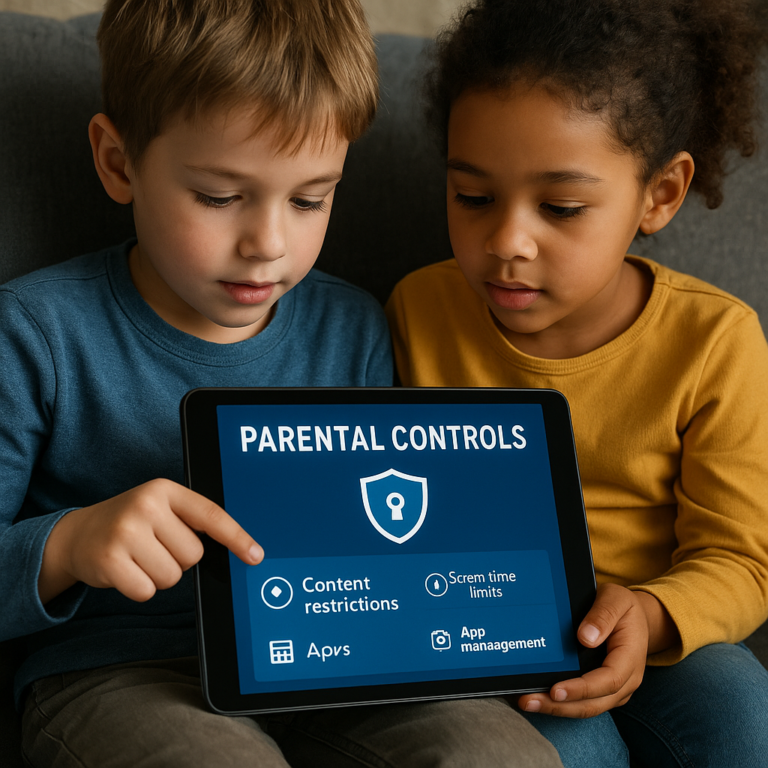
- Parental controls, profiles, and content filters
- Display size, brightness, sound, and accessibility
- Battery life, storage, Wi-Fi, and offline use
- Educational apps, ads, in-app purchases, and subscriptions
- 🏆 Best Tablets for Todlers in 2026 at a Glance
- 🛡️ Best Tablets for Todlers in 2026: 6 Safe, Durable, Kid-Friendly Picks
- 1. Amazon Fire HD 8 Kids: Best All-Around Kids Tablet
- 2. Amazon Fire 7 Kids: Best Compact Tablet for Little Hands
- 3. Samsung Galaxy Tab A9: Best Android Tablet for Flexible Parental Controls
- 4. Apple iPad: Best Premium Tablet for Family Sharing
- 5. Lenovo Tab M10: Best Shared Family Tablet
- 6. XPPen Magic Drawing Pad: Best Screen-Based Drawing Alternative
- ⚖️ Kids Tablet vs. Regular Tablet: Which Makes More Sense?
- 🧩 Toddler Tablet Features Compared: Controls, Cases, and Content
- 👶 Choosing a Tablet by Age: 1-Year-Olds, 2-Year-Olds, and Preschoolers
- Tablet considerations for 1-year-olds
- Tablet considerations for 2-year-olds
- Tablet considerations for 3- to 5-year-olds
- 🔐 Set Up a Toddler Tablet Safely: Parental Controls and Privacy
- Create a child profile and restrict purchases
- Set screen-time limits, bedtime rules, and app access
- Check privacy settings, cameras, microphones, and ads
- ⏱️ Healthy Screen-Time Routines for Todlers
- Build screen breaks and screen-free zones
- Make tablet time interactive with co-viewing
- Avoid screens at meals and before bedtime
- 🎨 Best Toddler Tablet Apps, Games, and Offline Activities
- Educational apps for letters, numbers, music, and creativity
- Download videos and apps for travel
- Balance digital play with books, toys, and outdoor fun
- ✈️ Using a Tablet for Todlers on Flights and Road Trips
- 🧼 Tablet Safety, Cleaning, Repairs, and Accessories
- 💡 Ready to Choose the Right Tablet for Your Toddler?
- 🏁 Conclusion
- 🔗 Recommended Links
- ❓ FAQ: Tablets for Todlers
- What is the best tablet for toddlers?
- Should a 2-year-old have a tablet?
- How much screen time is appropriate for a toddler?
- Are Amazon Fire Kids tablets good for toddlers?
- Can toddlers use an iPad safely?
- Do toddlers need a tablet with Wi-Fi?
- What should I do if my toddler breaks a tablet?
- 📖 Reference Links
⚡ Quick Tips and Facts: Tablets for Todlers
Choosing a tablet for a toddler isn’t really about finding the fastest processor or the shiniest screen. It’s about choosing a device you can secure, supervise, and put away without a household summit. For more family-focused advice, start with our guide to kids’ tablets and browse our kid-friendly tablets.
| Quick question | Parent-tested takeaway |
|---|---|
| What matters most? | A sturdy case, reliable parental controls, age-appropriate content, and easy limits. |
| Is a kids’ edition worth considering? | Often. Models such as the Amazon Fire HD 8 Kids package a tablet with a protective case and child-focused settings. Check the current generation and included subscription details before buying. |
| Is the most expensive tablet the best? | No. A toddler generally doesn’t need a premium screen or high-end performance. |
| What’s the biggest safety step? | Set up the child profile, approvals, purchase restrictions, and screen-time rules before handing over the tablet. |
| Can tablets be useful? | Yes, especially for shared activities, video calls, music, drawing, and carefully chosen educational apps. They’re one tool, not a substitute for play, sleep, conversation, or reading together. |
| What’s a sensible first routine? | Short, predictable sessions with an adult nearby, followed by something hands-on. |
| What should we avoid? | Unsupervised browsing, autoplay rabbit holes, unrestricted in-app purchases, and using a screen as the only way to settle every difficult moment. |
Our team’s quick recommendation: If you want a ready-made kids’ setup, look first at a purpose-built kids model. If you already own an iPad or Android tablet, a child profile, proper case, and careful setup may be enough. And if your toddler is very young, waiting is a perfectly good option.
One note before we compare devices: manufacturers update models and bundles frequently. Confirm the exact screen size, storage, included case, subscription, warranty, and software support on the linked product page rather than relying on an older listing.
🧸 Are Tablets Appropriate for Todlers? Ages, Benefits, and Trade-Offs
A tablet can be a handy family tool. It can also be a very persuasive rectangle that toddlers would happily carry to the dinner table, bath, bed, and possibly the moon. The goal isn’t to make screens mysterious or forbidden; it’s to use them intentionally, with age-appropriate boundaries.
The American Academy of Pediatrics’ Family Media Plan encourages families to make a plan that fits their child, routines, and priorities. The AP’s guidance also emphasizes choosing high-quality content and co-viewing with young children when possible.
Screen-time guidance for babies, toddlers, and preschoolers
Age recommendations vary slightly by organization and country, so it’s useful to read the original guidance rather than treat one number as a magic switch.
| Age group | Practical guidance | What that can look like |
|---|---|---|
| Under 18 months | Avoid screen media other than video chatting, according to the AAP’s media guidance. | Video-call a relative together; keep other screen use to a minimum. |
| 18–24 months | If introducing media, choose high-quality content and watch or play together. | A short song or story with a parent naming what’s happening. |
| Ages 2–5 | The AAP recommends limiting screen use to about one hour per day of high-quality programming. | Split a brief, shared session across the day if that fits your family. |
| All young children | Protect sleep, physical activity, play, and conversation; use a family plan rather than relying only on a device timer. | Keep devices out of bedrooms and set screen-free routines. |
These recommendations are guidelines, not a test of whether you’re a good parent. A video call with Grandma isn’t the same as endless autoplay, and a few minutes of a shared drawing app isn’t the same as replacing everyday play.
Our parent-and-developer perspective
Parents on our team tell us that the easiest rules to maintain are the ones that are predictable: “one episode after lunch,” “tablet stays in the kitchen,” or “we finish the drawing, then the tablet goes to its charging spot.” App developers on our team add a practical point: device-level time limits are useful, but they work best alongside clear transitions and adult involvement, not as the whole plan.
Learning, entertainment, and family connection
A tablet may support:
- Video calls with family who live far away.
- Music, nursery rhymes, and simple sound-making games.
- Interactive stories that encourage a child to point, name, predict, or repeat.
- Early drawing, shape matching, puzzles, and pretend play.
- Accessibility features such as spoken content, captions, or touch accommodations.
The key phrase is “with a child,” not simply “for a child.” An adult asking “What do you think the duck will do next?” turns passive viewing into a conversation. The AAP’s advice on media use likewise stresses selecting quality content and engaging with children around what they watch.
For more curated learning-focused options, see our educational tablets category. But don’t let an app’s “educational” label do all the thinking: check what the child actually does, whether the app interrupts play with ads or purchases, and whether an adult can use it alongside them.
When a tablet may not be the right choice
A tablet isn’t essential for toddler development. If your child is under 2, has difficulty stopping, is losing sleep, or needs more help with transitions, it may be sensible to delay or reduce tablet use and discuss concerns with your pediatrician.
A tablet also isn’t a reliable solution for every hard moment. In our parent group, one family found that a device helped on a long medical waiting-room day; the same parent later noticed that handing it over at every meal made mealtimes harder to manage without it. The lesson wasn’t “never use it.” It was save screens for moments when they genuinely help, rather than making them the default answer.
📚 How Toddler Tablets Evolved: From Shared Devices to Kid-Safe Tablets
Early family tablets were usually adult devices handed down to children, often with a case added after the first dramatic encounter with gravity. Dedicated kids’ editions changed the shopping equation by bundling ruged cases, child profiles, curated content, and parental controls.
That convenience comes with trade-offs. Kids’ editions can be easier to set up, but their content libraries, subscription rules, and app selection may be more limited than those of a standard iPad or Android tablet. General-purpose models provide flexibility but ask parents to do more configuration.
| Tablet approach | What families get | What parents need to check |
|---|---|---|
| Dedicated kids’ tablet | A protective case, child-oriented software or controls, and often a kids’ content service | Age range, subscription renewal, app availability, warranty terms |
| Standard tablet in a kid case | Broad app ecosystem and better adult flexibility | Child profile, content restrictions, purchase controls, case fit |
| Drawing-focused tablet | A creative tool for sketching and art activities | Whether it offers child controls and whether it suits a toddler’s age and needs |
The category now spans everything from the Amazon Fire Kids range to general-purpose Samsung Galaxy tablets and Apple iPads. Retail listings are useful for comparing current models, but an assortment page is not an expert age recommendation. For example, Best Buy’s kids’ tablet listings show products and filters; parents still need to assess fit, controls, and supervision for their own child.
🔎 What to Look for in a Tablet for Todlers
Our family testers and app developers use a simple rule: buy for the child’s actual habits, and for the parent’s ability to manage them. A compact tablet with excellent controls may be a better fit than a larger, faster device with settings nobody has time to configure.
Durability, toddler-proof cases, and screen protection
Todlers explore with their hands, elbows, snacks, and occasionally the floor. Look for:
- A case with raised edges around the display.
- A grippy, impact-absorbing exterior and a stand that doesn’t woble easily.
- A case designed for the exact tablet model and generation.
- A screen protector that does not interfere with touch response.
- A manageable weight; a rugged case adds protection but can make a device heavier.
A silicone bumper case is not a guarantee that a screen cannot break. Avoid relying on product photos alone: check the case’s fit, port access, and whether the manufacturer describes drop testing. For a standard tablet, compare approved cases from brands such as OterBox or Spigen, and check the tablet maker’s own accessory recommendations.
Parental controls, profiles, and content filters
Before you buy, find out whether the controls let you:
- Create a separate child profile.
- Approve or block apps.
- Restrict web browsing and video services.
- Require a password for purchases and downloads.
- Set daily limits, downtime, or bedtime schedules.
- Review the child’s activity and change age filters.
For Apple devices, review Apple Screen Time and parental controls. For Android, see Google Family Link. Amazon explains its family settings through Amazon Kids parental controls.
Don’t confuse a child-friendly home screen with complete protection. Even a curated environment needs review, updates, and adult supervision.
Display size, brightness, sound, and accessibility
A larger display is easier to share and may suit drawing or reading; a smaller tablet is often easier for little hands to carry. Consider:
- Screen size: compact for portability, larger for shared viewing.
- Brightness: adjust indoors and avoid using the screen in a dark room.
- Audio: use a low volume; choose child-sized headphones only when needed and supervise use.
- Accessibility: captions, screen magnification, spoken content, and touch settings may help individual children.
- Glare and viewing position: encourage a comfortable distance and take breaks.
A blue-light feature should not be treated as permission for unlimited screen use. Healthy routines and bedtime boundaries matter more than a marketing badge. The AAP’s HealthyChildren guidance is a stronger starting point than a vague “eye protection” claim.
Battery life, storage, Wi-Fi, and offline use
Manufacturer battery figures are typically estimates under particular conditions. Streaming video, high brightness, gaming, and weak Wi-Fi can drain a battery faster.
Check:
- Whether storage can be expanded with a microSD card.
- How much usable storage remains after the operating system and preloaded apps.
- Whether the apps and videos your child needs can work offline.
- Whether the device requires a connection for parental settings or profile changes.
- The charging port and whether charging accessories are easy to replace.
Our travel testers learned this the hard way: downloading a show isn’t the final step. Open it in airplane mode before you leave, because some apps require a connection to verify a subscription or load a video.
Educational apps, ads, in-app purchases, and subscriptions
Before installing an app, ask:
- Is it suitable for your child’s age and abilities?
- Does it include ads, external links, or social features?
- Does it request more permissions than it needs?
- Are the core features free, subscription-based, or locked behind purchases?
- Can your child use it without an account or sharing personal information?
The FTC’s guidance on children’s privacy and COPA explains privacy obligations for services collecting data from children under 13. Parents should still check an app’s current privacy policy and device permissions.
🏆 Best Tablets for Todlers in 2026 at a Glance
These picks cover different family needs rather than claiming one tablet is perfect for every toddler. Age labels and configurations vary by generation and region, so confirm the product page before buying.
| Pick | Best for | Main strengths | Main trade-off |
|---|---|---|---|
| Amazon Fire HD 8 Kids | A ready-made kids’ setup | Child-focused profile, protective case, family controls | Fire OS app selection differs from Google Play and Apple’s App Store |
| Amazon Fire 7 Kids | Compact, travel-friendly use | Small form factor and kids’ bundle options | Smaller display |
| Samsung Galaxy Tab A9 | Families wanting Android flexibility | General-purpose device and Android app ecosystem | Parents need to configure child protections and case |
| Apple iPad | Shared family use and broad app selection | Strong app ecosystem and Screen Time controls | Needs a durable child-appropriate case |
| Lenovo Tab M10 | Shared household tablet | General Android tablet experience | Features differ by generation; setup is on the parent |
| XPPen Magic Drawing Pad | Older preschoolers’ art activities with supervision | Drawing-led design and stylus-based creativity | Not a default toddler tablet; assess controls and age fit carefully |
A review summarized by XP-Pen emphasizes that younger children need “safety, durability, simple controls, and age-appropriate content.” That’s a sensible checklist, even when you choose a different brand. Its recommendations favor a dedicated kids’ model for families seeking a simpler setup, while a general iPad or Android tablet may be more versatile for shared adult use.
🛡️ Best Tablets for Todlers in 2026: 6 Safe, Durable, Kid-Friendly Picks
1. Amazon Fire HD 8 Kids: Best All-Around Kids Tablet
Ratings
| Design | Kid controls | Content options | Family versatility | Toddler readiness |
|---|---|---|---|---|
| 8/10 | 8/10 | 7/10 | 6/10 | 8/10 |
The Amazon Fire HD 8 Kids is a strong starting point for families who want a tablet bundled with a child-friendly case and an Amazon Kids profile. Its appeal is less about dazzling hardware and more about having several of the parent setup steps in one place.
What parents may like
- Purpose-built kids’ case, depending on the current bundle.
- Child profile and parent-managed settings.
- Amazon’s kids’ content options, with subscription terms that can vary.
- A size that’s easier to share than a very small device.
What to check first
- Confirm the exact model, storage, and case included.
- Check what happens when any included Kids+ trial ends.
- Confirm that the apps your family wants are available for Fire OS.
- Test the device in person if your child struggles with navigation or menus.
A Mother&Baby tablet roundup praises the Fire HD 8 Kids’ battery and content controls, but its testers also reported that a younger child found it less intuitive than an older child did. That’s a useful reminder: a child profile doesn’t automatically make the interface toddler-easy.
👉 CHECK PRICE on:
- Amazon Fire HD 8 Kids: Amazon | Amazon Fire Kids
2. Amazon Fire 7 Kids: Best Compact Tablet for Little Hands
Ratings
| Design | Kid controls | Portability | Family versatility | Toddler readiness |
|---|---|---|---|---|
| 8/10 | 8/10 | 9/10 | 6/10 | 8/10 |
The Amazon Fire 7 Kids is worth considering if you want a smaller kids’ tablet for short sessions or travel. The compact display can be easier for a child to carry, though it gives you less room for shared story time and drawing.
What parents may like
- Small form factor that fits easily in a travel bag.
- Kids’ bundle options that may include a protective case.
- Familiar Amazon Kids controls and content options.
Drawbacks to consider
- Smaller viewing area than an 8- or 10-inch tablet.
- Check generation carefully: older Fire 7 listings may remain in search results.
- The Fire app ecosystem is not identical to Google Play or Apple’s App Store.
Retail listings such as Best Buy’s kids’ tablet category can help compare available stock, but ratings and specifications belong to specific listings and may change. Verify that you’re comparing the same generation.
👉 CHECK PRICE on:
- Amazon Fire 7 Kids: Amazon | Amazon Fire Kids
3. Samsung Galaxy Tab A9: Best Android Tablet for Flexible Parental Controls
Ratings
| Design | Family flexibility | App options | Out-of-box kid readiness | Toddler readiness |
|---|---|---|---|---|
| 8/10 | 8/10 | 8/10 | 5/10 | 6/10 |
The Samsung Galaxy Tab A9 is a standard Android tablet, not a toddler-specific product. That can be a plus for families who want one device for adults and children, but you’ll need to do more of the safety setup yourself.
What parents may like
- General-purpose Android experience.
- A broad selection of apps through Google Play.
- Potential to remain useful for adults and older children.
What parents should set up
- Create or configure the child’s Google account.
- Set up Google Family Link.
- Restrict downloads, purchases, web access, and app permissions.
- Add a snug, model-specific case.
- Review any streaming apps separately; device controls don’t replace each app’s settings.
The Android tablet category includes multiple models and generations. Check Samsung’s product page for current regional availability and software support, rather than assuming every Galaxy Tab A9 listing has the same specifications.
👉 CHECK PRICE on:
- Samsung Galaxy Tab A9: Amazon | Walmart | Samsung Official Website
4. Apple iPad: Best Premium Tablet for Family Sharing
Ratings
| Design | Family flexibility | App options | Out-of-box kid readiness | Toddler readiness |
|---|---|---|---|---|
| 8/10 | 9/10 | 9/10 | 6/10 | 6/10 |
An Apple iPad can be a strong family device if the adults also want it for reading, work, creative apps, or video calls. Apple’s Screen Time controls can help manage app access, content restrictions, and downtime.
What parents may like
- Broad selection of children’s apps and creative tools.
- Useful accessibility features.
- Screen Time settings built into iPadOS.
- Flexible use by adults, older siblings, and children.
Drawbacks to consider
- Standard iPads are not toddler-proof; add a well-fitting protective case.
- Parents must configure restrictions and supervise use.
- Shared-device settings and accounts need care so a child doesn’t access adult messages, files, or apps.
- A tablet with premium features may be more than a toddler needs.
For family guidance and model comparisons, see our iOS tablets category.
👉 CHECK PRICE on:
- Apple iPad: Amazon | Walmart | Apple Official Website
5. Lenovo Tab M10: Best Shared Family Tablet
Ratings
| Design | Family flexibility | App options | Out-of-box kid readiness | Toddler readiness |
|---|---|---|---|---|
| 7/10 | 7/10 | 8/10 | 5/10 | 6/10 |
The Lenovo Tab M10 is a general Android tablet family rather than one single fixed configuration. That makes it essential to check the specific generation and regional model before deciding.
What parents may like
- Can serve adult and child uses in the same household.
- Android app options, depending on the configuration.
- A practical choice for reading, video calls, and simple learning activities.
What parents should plan for
- Add a protective case made for the exact model.
- Set up child protections through Google’s family tools.
- Confirm storage, software support, and app compatibility.
- Don’t assume that “kids mode” features are identical across every Lenovo generation.
👉 CHECK PRICE on:
- Lenovo Tab M10: Amazon | Walmart | Lenovo Official Website
6. XPPen Magic Drawing Pad: Best Screen-Based Drawing Alternative
Ratings
| Design | Drawing focus | General apps | Toddler controls | Toddler readiness |
|---|---|---|---|---|
| 8/10 | 9/10 | 6/10 | 4/10 | 4/10 |
The XPPen Magic Drawing Pad is a creative device to consider for supervised drawing, not our first pick as an everyday tablet for a toddler. Its drawing-led experience may suit an older preschooler who already enjoys art, but parents should assess age fit and controls carefully.
What it may offer
- A stylus-based drawing experience.
- A focused way to explore sketching and digital art.
- A different kind of screen activity from video watching.
Why it isn’t the default toddler recommendation
- Drawing hardware doesn’t automatically provide toddler-friendly parental controls.
- A stylus can be misplaced, chewed, or used as a tiny catapult.
- It may be less suitable for everyday family needs such as simple video calls and curated preschool content.
XP-Pen’s own toddler-tablet overview notes that a drawing tablet may be “less appropriate as an everyday toddler tablet” because it is less focused on general kid use. We agree: choose it for a specific creative purpose and use it with an adult.
👉 CHECK PRICE on:
- XPPen Magic Drawing Pad: Amazon | XPPen Official Website
⚖️ Kids Tablet vs. Regular Tablet: Which Makes More Sense?
Neither option wins for every family. A kids’ tablet may save setup time; a standard tablet can be more flexible and easier to share. The real choice is convenience versus control over the whole experience.
| Factor | Kids’ edition | Standard tablet with kid setup |
|---|---|---|
| Initial setup | Usually simpler | More parent setup required |
| Protective case | Often included, depending on bundle | Usually purchased separately |
| App ecosystem | May be more limited or curated | Usually broader |
| Use by adults | Possible, but may feel less convenient | Usually better for whole-family sharing |
| Content subscription | May be included temporarily; confirm terms | Depends on apps and services you choose |
| Parental controls | Often packaged with child features | Available, but needs configuration |
| Best fit | Families prioritizing a ready-made kids’ setup | Families wanting flexibility and willing to manage settings |
A parent on our team chose a kids’ edition for a grandparent’s home because it was easier to keep the child’s content separate. Another family used an iPad they already owned, added a sturdy case, and configured Screen Time. Both worked because the adults actually maintained the setup.
For more side-by-side device guidance, browse our tablet comparisons.
🧩 Toddler Tablet Features Compared: Controls, Cases, and Content
Use this checklist when comparing two models. Mark what you can verify—not what a product page implies.
| Feature | Why it matters | How to verify |
|---|---|---|
| Child profile | Separates child activity from adult apps and accounts | Create a test profile before giving the device to your child |
| App approval | Stops surprise downloads | Check whether each download requires adult approval |
| Purchase protection | Prevents accidental purchases | Require a password or adult confirmation |
| Web and video controls | Reduces access to unsuitable content | Test browsing and streaming separately |
| Screen-time settings | Supports routine limits | Set daily limits and downtime; check how the device signals the end |
| Durable case | Helps reduce damage from ordinary bumps | Confirm the case fits the exact model |
| Offline access | Useful for travel and weak Wi-Fi | Test downloads in airplane mode |
| Subscription clarity | Avoids unwanted renewals | Check trial length, renewal terms, and cancellation steps |
| Privacy settings | Limits unnecessary collection and sharing | Review permissions and privacy notices |
A good parental-control test takes ten minutes: set up a child profile, try opening a restricted app, attempt a download, and see what happens when the timer ends. If you can’t explain the controls to another caregiver, keep simplifying until you can.
👶 Choosing a Tablet by Age: 1-Year-Olds, 2-Year-Olds, and Preschoolers
Age matters, but so do temperament, routines, developmental needs, and how a device will be used. The AP’s recommendations are a helpful baseline; your pediatrician can offer individualized guidance.
Tablet considerations for 1-year-olds
For children under 18 months, the AAP advises avoiding screen media other than video chatting. A tablet is not needed for a baby’s learning or entertainment. Real-world conversation, movement, books, and safe exploration are better everyday defaults.
If you use a video call, sit together and help the child interact with the person on screen. That makes it a social exchange instead of simply a glowing face in the room.
Tablet considerations for 2-year-olds
At age 2, some families introduce short periods of high-quality media. The AAP recommends co-viewing and choosing quality content for young children.
Look for:
- Simple navigation with minimal menus.
- One or two parent-approved apps rather than a crowded home screen.
- Short, predictable sessions.
- An adult nearby to help name, explain, and discuss what appears.
- An easy end-of-session routine.
A two-year-old’s ability to tap confidently does not mean they can safely manage a browser, subscriptions, recommendations, or app settings.
Tablet considerations for 3- to 5-year-olds
Preschoolers may be more ready for interactive stories, drawing, early learning games, and a limited amount of independent use. Still, they need supervision and consistent boundaries.
The AP suggests about one hour per day of high-quality screen use for ages 2–5, while reminding parents to consider sleep, activity, and family routines. A child who handles transitions well may use a short session differently from a child who becomes very distressed when it ends. Adjust the plan to the child, not just the device.
🔐 Set Up a Toddler Tablet Safely: Parental Controls and Privacy
Do the setup before the first exciting appears. It’s much easier to set limits when nobody is already holding the device and announcing that the cartoon has begun.
Create a child profile and restrict purchases
- Update the device. Install available system updates before adding a child profile.
- Create a child account or profile. Keep adult email, messages, photos, and payment details separate where possible.
- Set a parent passcode. Don’t use an obvious birthday or a code your toddler has watched you enter.
- Require approval for downloads and purchases. Check both the device settings and individual app-store settings.
- Review the home screen. Remove or hide apps your child does not need.
- Test the restrictions. Try opening a blocked site or installing an app.
Helpful official instructions include Apple Screen Time, Google Family Link, and Amazon Kids parental controls.
Set screen-time limits, bedtime rules, and app access
Set the rules in a way caregivers can follow:
- Choose an agreed daily screen-time routine.
- Set downtime that protects sleep and family routines.
- Disable autoplay where available.
- Decide which apps are allowed without asking.
- Keep the tablet out of the bedroom overnight.
- Tell your toddler what comes next: “One more story, then we put it on the charger.”
Device timers are useful, but a sudden lockout can frustrate young children. A warning, countdown, and consistent next activity often make the transition smoother.
Check privacy settings, cameras, microphones, and ads
Review permissions before the child uses an app. A simple puzzle game usually doesn’t need access to a microphone, contacts, or location. Turn off unnecessary permissions and remove apps you no longer use.
The FTC’s Children’s Privacy guidance explains the protections that can apply to online services collecting personal information from children. Parents should also check whether apps include advertising, links to external sites, chat features, or user-generated content.
⏱️ Healthy Screen-Time Routines for Todlers
The best screen-time routine is the one your family can maintain without negotiating like diplomats every evening. Start small, keep it predictable, and pay attention to what happens after the screen goes off.
Build screen breaks and screen-free zones
Try a basic routine:
- Decide when tablet use is allowed.
- Set a clear start and end.
- Give a warning before the session finishes.
- Move to an offline activity the child can anticipate.
- Charge the tablet in a shared family space.
Consider screen-free zones such as bedrooms and the dinner table. The AAP Family Media Plan can help families establish shared rules around devices.
Make tablet time interactive with co-viewing
When you can, join in:
- Name objects and feelings.
- Ask simple questions.
- Connect the screen activity to real life: “That’s a yellow bus. Can you find a yellow toy?”
- Let your child explain what they made or noticed.
- Stop if the activity becomes upsetting or overly difficult.
Co-viewing isn’t about turning every minute into a lesson. It’s about making media more social and giving a child help when they need it.
Avoid screens at meals and before bedtime
A consistent bedtime routine is more useful than relying on a “night mode” feature to solve every sleep question. The AP advises families to establish screen-free periods before bed and keep devices out of children’s sleeping spaces; see its family media guidance.
If your toddler is used to watching videos at dinner, transition gradually: shorten the viewing, introduce a predictable meal activity, and keep the device out of reach rather than leaving it within sight.
🎨 Best Toddler Tablet Apps, Games, and Offline Activities
There isn’t one app that makes a tablet educational by itself. Choose activities that invite the child to think, respond, create, or communicate—and check privacy and purchase settings.
Educational apps for letters, numbers, music, and creativity
Look for apps that offer:
- Simple, age-appropriate tasks.
- Opportunities to draw, listen, sort, tell stories, or solve basic puzzles.
- No open chat or public sharing.
- Clear privacy and subscription information.
- A child-friendly experience without persistent ads or purchase prompts.
Services and apps often mentioned by families include PBS KIDS, Khan Academy Kids, and YouTube Kids. Availability and features can change by device and region, so verify app compatibility and settings. YouTube Kids has its own parental controls; review its parent guide rather than assuming the tablet’s controls cover everything.
Download videos and apps for travel
Before leaving home:
- Download approved videos or books over Wi-Fi.
- Open each one to confirm it works.
- Switch the device to airplane mode and test again.
- Check that the battery is charged and the child’s case is secure.
- Pack wired or wireless headphones only if you need them, and set a reasonable volume.
- Keep a non-screen backup ready: stickers, a small book, crayons, or a favorite toy.
The FAA’s traveler guidance and individual airline rules are worth checking before a flight, especially for device use during takeoff and landing. Follow crew instructions.
Balance digital play with books, toys, and outdoor fun
A simple “screen, then something hands-on” routine can help children move between activities:
| On-screen activity | Offline follow-up |
|---|---|
| Digital drawing | Paper, chunky crayons, or finger painting |
| Story app | Read a picture book together |
| Shape game | Build with blocks or sort household objects |
| Music app | Sing, clap, or dance without the tablet |
| Nature video | Look for leaves, birds, or clouds outside |
The tablet can spark an activity, but it shouldn’t be the only version of that activity.
✈️ Using a Tablet for Todlers on Flights and Road Trips
Travel is where a tablet can feel less like a luxury and more like a small peace treaty. A little preparation prevents the classic airport discovery that the child’s favorite show is only available online.
- Download content and test offline playback.
- Bring a secure case and a charging cable.
- Use a child profile with only approved apps visible.
- Keep headphones at a comfortable volume and supervise their use.
- Plan screen breaks during road trips and follow local laws and safety recommendations.
- Never give a child access to a device that distracts the driver.
- Follow flight-crew instructions about device use.
Our family travel testers found that one carefully chosen episode followed by a snack or sticker activity worked better than handing over an endless feed. The battery wasn’t the hardest thing to manage; the transition at the end was. Give a clear warning and have the next activity ready.
A video review of an 11-inch Walmart onn. Kids Tablet illustrates why setup deserves a test run: the reviewer highlighted a protective case and stand, Google Kids Space, and parent-managed approvals, while also noting setup quirks and occasional performance issues. You can find that perspective at #featured-video. Treat any individual video review as one user’s experience, not a guarantee for every unit or software update.
🧼 Tablet Safety, Cleaning, Repairs, and Accessories
A toddler tablet has to survive sticky fingers as well as software settings.
Basic care and safety checklist
- Use the case recommended for the exact model.
- Keep charging cables away from active play and follow the manufacturer’s charging instructions.
- Clean the device only as directed by the manufacturer; don’t spray liquid directly into ports.
- Check the case, screen, and charging cable regularly for damage.
- Stop using a device with a cracked screen, exposed wires, swelling, or unusual heat.
- Keep small accessories and detachable styluses away from children who may put objects in their mouths.
For Apple devices, follow Apple’s cleaning guidance. For other brands, use their official care instructions instead of assuming every screen coating responds to the same cleaning product.
Accessories worth considering
| Accessory | Why it may help | Check before buying |
|---|---|---|
| Ruged case | Helps protect against ordinary bumps | Exact model and generation |
| Screen protector | Adds a sacrificial layer over the display | Touch responsiveness and case compatibility |
| Stand or handle | Improves grip or hands-free viewing | Stability and small detachable parts |
| Headphones | Useful in shared spaces | Fit, volume, and supervised use |
| Charging station | Creates a consistent storage spot | Safe cable routing and manufacturer compatibility |
A rugged case reduces risk; it does not make a tablet unbreakable. Keep the device off high chairs, countertops, and beds where a small fall can become a surprisingly expensive physics lesson.
💡 Ready to Choose the Right Tablet for Your Toddler?
Before buying, answer these five questions:
- How old is your child, and are you comfortable introducing a tablet now?
- Will it be used mainly at home, during travel, or by the whole family?
- Do you prefer a kids’ bundle or a standard tablet you configure yourself?
- Which parental controls, apps, and offline features do you actually need?
- Can you confirm the case, software support, subscription terms, and warranty?
If you want the simplest starting point, compare the Amazon Fire HD 8 Kids with the compact Fire 7 Kids. If the tablet needs to serve the adults too, consider an iPad or a Samsung Galaxy Tab and spend time setting up its child controls. For a broader roundup, see our kid-friendly tablets and tablet comparisons.
And the question we promised to answer: what matters more, the tablet or the parent setup? For toddlers, it’s the setup. A good device is sturdy and manageable; a good routine is what makes it useful.